
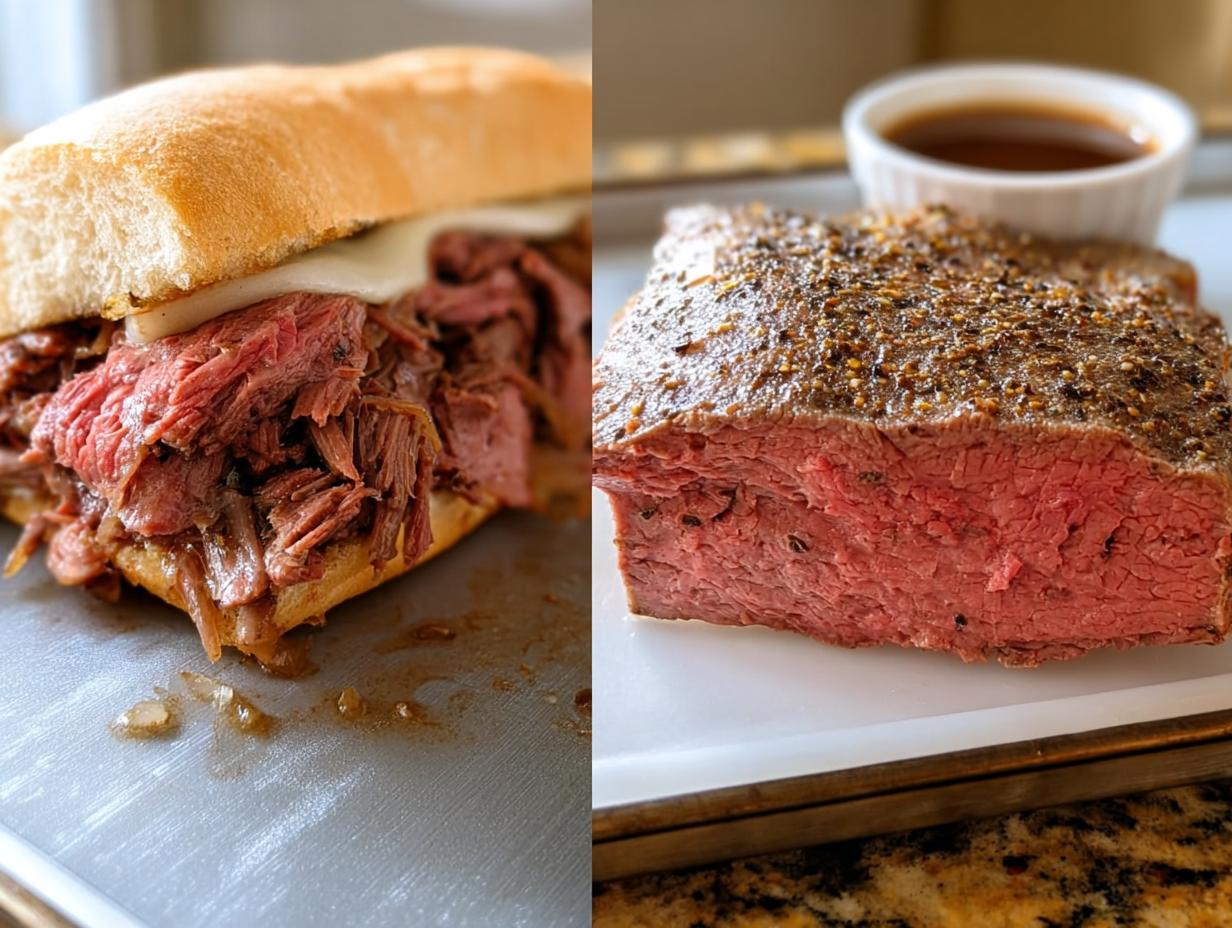
Oh my goodness, have you ever had a French Dip sandwich that just makes your eyes roll back in your head? That’s the power of a truly amazing, rich au jus! I’m Isabella, and I’ve chased that perfect dipping experience forever. Forget those watery, sad little cups of broth you get sometimes; we’re going deep here. This recipe isn’t about a quick fix; it’s about building flavor, starting with slow-roasted beef and deeply caramelized onions. That’s the secret sauce, truly! I remember my trip to San Francisco and realizing how far beyond packaged mixes the real deal was. My dedication to recreating that taste at home led me right here, sharing How to Make Delicious Au Jus: A Perfect Sauce for French Dip Sandwiches. Trust me, once you taste this homemade magic, you won’t go back. It’s my little piece of culinary heaven I want to share with you!
Why You’ll Love How to Make Delicious Au Jus: A Perfect Sauce for French Dip Sandwiches
Honestly, making this au jus isn’t hard at all, even though we’re cooking meat low and slow for hours. The work is mostly hands-off! You get this incredible payoff for minimal fuss, and that’s what I absolutely adore about it. Once you taste the difference, you’ll never look back.
- You get true, deep beef flavor that you just can’t bottle up in a store-bought can.
- The combination of the seasoned roast drippings and those ridiculously sweet caramelized onions creates an unbelievably rich dipping liquid.
- It turns a simple sandwich into serious comfort food—it’s a whole meal experience, not just lunch!
- We even include tips so you can prep all the heavy lifting the day before, making dinner time so much easier. You can check out all my favorite main dishes over at my recipe index when you’re done drooling over this sauce!
Essential Ingredients for Homemade Au Jus Sauce Recipe
When we talk about making something truly delicious, it all comes down to respecting the ingredients. You can’t rush flavor, especially when we’re building up that deep, savory base for our beef au jus. These components might look like a lot, but they are broken down into three clear jobs: making the roast amazing, building sweet onions for hours, and then finally assembling our dipping liquid.
Remember, those onions take a good hour or two—that’s our secret custom cook time! Don’t skimp on the quality of the consommé; it really makes a difference in the final au jus sauce recipe.
For the Roast Beef Components
This is the foundation of everything savory in this recipe. You need good quality meat to get good drippings later.
- 3 pounds rump roast
- 2 tablespoons Montreal seasoning
- 1 tablespoon olive oil (for the roast)
For the Caramelized Onions
This step is pure patience, but oh boy, is it worth the 120 minutes you invest! We want them meltingly sweet.
- 3 pounds yellow onions (sliced into 1/4 inch slices)
- 1 tablespoon olive oil (for the onions)
- 1 pinch kosher salt (for the onions)
For the Au Jus and Sandwiches
Here are the components that turn the roast drippings into a proper dipping gravy for your French dips.
- 2 10-ounce cans beef consommé
- 10 ounces water
- 1 1/2 tablespoons sherry
- 12 slices provolone cheese
- 6 sturdy hoagie rolls
Step-by-Step Guide: How to Make Delicious Au Jus: A Perfect Sauce for French Dip Sandwiches
Okay, this is where the magic happens! I like to split this job over two days, honestly. Day one is for roasting the beef and making those onions melt into pure sugar—it makes the assembly the next day a total breeze. Day two is just about heating and dipping. Following the structure of this Roast Beef Au Jus Recipe ensures that rich flavor comes through perfectly, especially in your dipping liquid. If you ever want to compare flavors, I’ve got this awesome recipe for garlic mushroom chicken that uses simple roasting techniques too, but today, we’re focusing on French Dips!
Preparing and Roasting the Beef
First things first, grab your oven and set it low, like 250°F (120°C). You want that slow roast! Rub the rump roast down with your olive oil and then really press that Montreal seasoning into the meat. Put it on a sheet pan and let it do its thing for about two to two-and-a-half hours. We are aiming for 120°F for rare, up to 140°F if you like it a little more done. That slight internal temp is key for tenderness! Once it hits the mark, pull it out, let it cool down a bit, and wrap it up tight. It needs to chill in the fridge completely—this is my biggest expert tip! Slicing cold beef thinly is so much easier; trust me, trying to slice it warm leads to torn meat.
Achieving Deep Flavor with Caramelized Onions
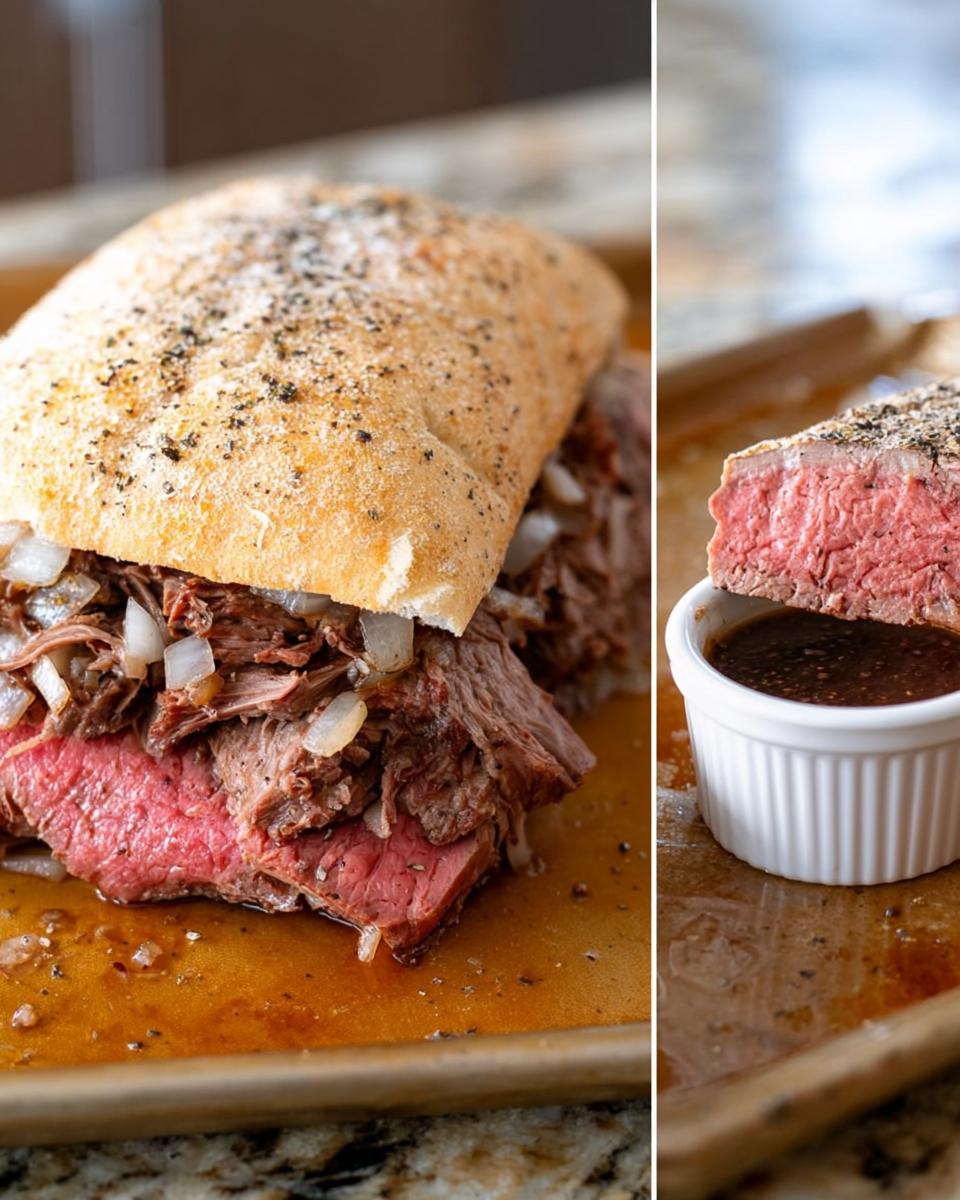
While that roast is chilling or cooking, tackle those onions. You need a big pot, a little oil, and a pinch of salt. Slice those yellow onions thin—about a quarter-inch—and get them sputtering over medium heat. Now, this part takes discipline! Cover the pot, but you have to keep returning to stir them every so often. You are trying to coax out every bit of sweetness over one to two hours. We aren’t grilling them; we are gently sweetening them. When they turn that gorgeous, deep gold and are super soft, scoop them into a container and chill them out until serving time.
Assembling the French Dip for Dipping in Your Au Jus Sauce Recipe
Assembly day! Preheat your oven to 350°F (175°C). Slice that cold roast against the grain as thin as you possibly can manage. Next, grab a saucepan for the actual Au Jus Sauce Recipe base. Combine your beef consommé, the water, and that splash of sherry—just enough to brighten things up. Bring that liquid just to a simmer. Taste it; if it’s too earthy or salty, thin it slightly with a touch more water. Now, split your sturdy hoagie rolls, slap a couple of provolone slices on them, and pop those open-faced rolls under the broiler for just 3 to 5 minutes until the cheese is gooey. Reheat those amazing onions in the microwave! When you’re ready to eat, use tongs to dip about half a pound of your thinly sliced beef right into the simmering au jus for about 30 seconds—just to warm it through, don’t boil it! Pile that luscious beef onto the warm, cheesy rolls, top it with a scoop of the sweet onions, and pour that extra warm au jus into little ramekins for everyone to dunk into. You can find a great external read on French Dip techniques right here.
Tips for Success When You How to Make Delicious Au Jus: A Perfect Sauce for French Dip Sandwiches
Look, I know this recipe has a long cook time, but that’s because flavor doesn’t hurry up for anybody! If you want the results I keep raving about—the kind that makes people ask where you bought the sandwich—you have to follow three main rules. These aren’t suggestions; they are non-negotiables if you want that deeply satisfying, mouth-watering dunk.
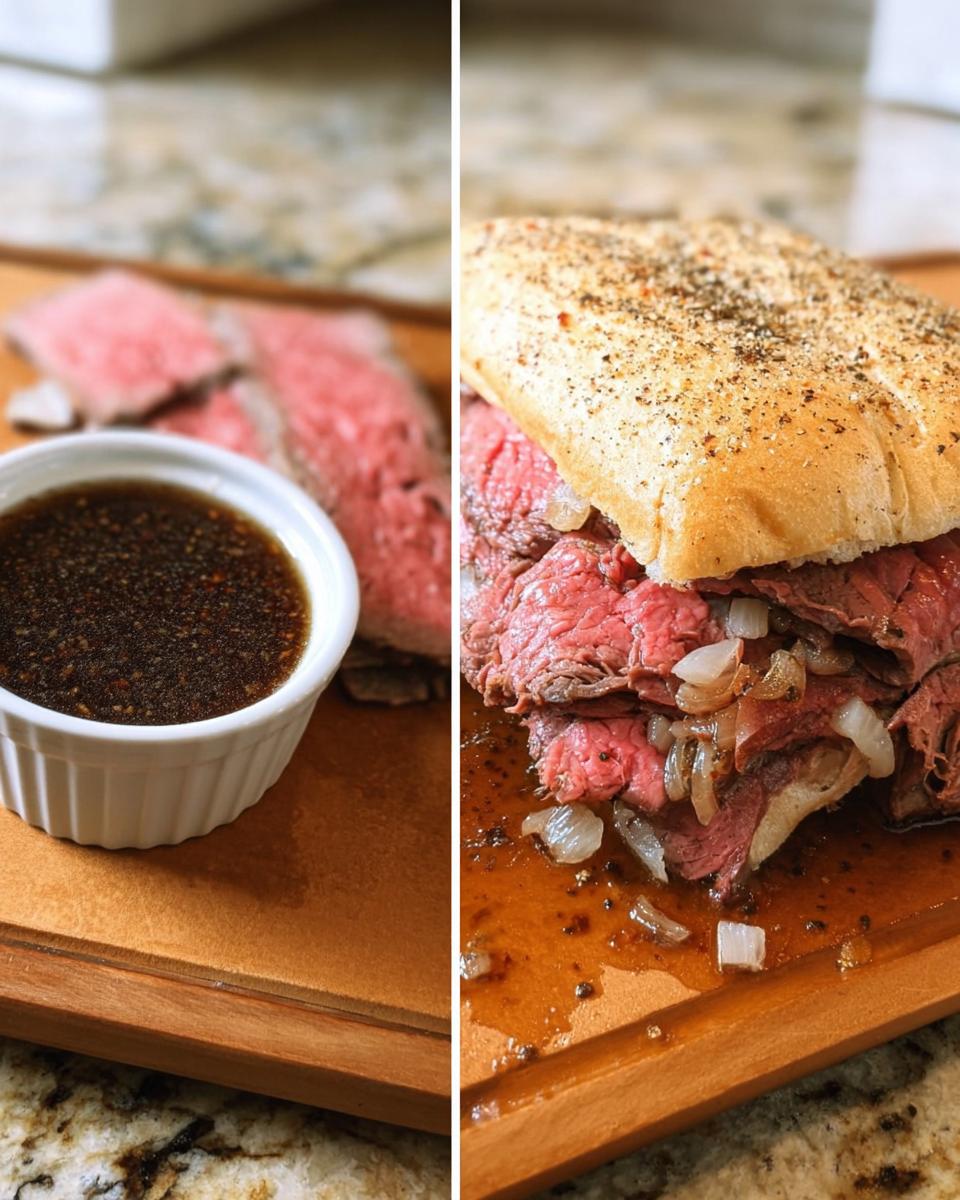
First and most importantly, you absolutely must slice that roast beef when it is fully chilled. If you try to slice it even slightly warm, it shreds, and shredded beef doesn’t soak up the juice nicely; it just falls apart. Get your sharpest carving knife ready. If your knife isn’t razor-sharp, you risk tearing the roast apart instead of getting those delicate, paper-thin slices.
Second, remember the low and slow rule applies to both the roast *and* the onions. When you are caramelizing those onions, if you turn the heat up because you’re impatient, you’ll end up with charred, bitter edges instead of velvety sweetness that balances the salty jus. Keep that heat low, walk away for a bit, and let chemistry do the work.
Lastly, when you’re tasting that simmering au jus made from the consommé, don’t be afraid to correct it! Consommé is strong, and your roast drippings add richness, so you might find you need that extra splash of water—or maybe even a tiny dash of salt if your roast wasn’t heavily seasoned. Always taste before you dunk anything! It’s your final chance to customize it.
If you are looking for other ways to make rich, slow-cooked meals easier, you should check out my recipe for creamy turkey stroganoff; it uses a similar principle of building depth over time!
Ingredient Notes and Substitutions for Your Beef Au Jus Recipe
I get asked about modifications all the time! This Beef Au Jus Recipe is built on a few key components that really pump up the flavor compared to just using regular beef broth, but don’t worry if your pantry isn’t perfectly stocked. We can make some smart swaps.
The big star here, besides the roast beef itself, is the beef consommé. You absolutely need to pay attention to this because it’s different from just using regular canned beef broth. Consommé is a highly clarified, deeply concentrated beef stock, which means it packs way more beefy punch into less liquid. If you only have standard broth, you’ll need to cut back on the water quite a bit, or your au jus will end up tasting thin and weak. You want that powerhouse flavor!
Now, let’s talk sherry. That splash of sherry is just a little bartender’s trick to add depth and cut through the richness—it adds a slight nuttiness. If you don’t keep sherry around, or if you prefer skipping the alcohol entirely, just leave it out! Seriously, it won’t ruin the dish. Alternatively, a tiny splash of good quality dry white wine can mimic that note beautifully, or even a teaspoon of balsamic vinegar if you’re feeling adventurous, though I’d start small with the vinegar.
For the Montreal seasoning, if you don’t have that exact blend, load up on coarse salt, black pepper, garlic powder, and a little onion powder. It’s about mimicking that robust, herby crust we built on the roast.
I always encourage readers to look for ways to make great food fit their budget, which is why I put together a whole guide on how to make cheap keto meals, and these same principles—using concentrated ingredients and making things from scratch—apply here to get the most flavor for your dollar!
Storage and Reheating Instructions for Homemade Au Jus Sauce
The best part about making a huge roast like this is having leftovers—especially for lunch the next day! But you can’t just toss it all together in one container and hope for the best. We need to treat our three main components—the leftover beef, the onions, and that liquid gold au jus—like the separate treasures they are. Storing them correctly means that your second-day sandwich is nearly as good as the first batch!
First, let’s talk about the beef. Once you’ve sliced what you need, the remaining roast beef should be stored in an airtight container. Keep it in the coldest part of your fridge. It should last a good three to four days easily, maybe even five, if you wrapped it well after it cooled completely.
Storing the Au Jus Liquid
Your finishing sauce—the actual Homemade Au Jus Sauce—needs to be stored separately too. Pour the leftover liquid into a clean, sealed container. Since it’s mostly broth, it’s going to gel up when it gets cold, which is totally normal! When you are ready to use it again, take out just what you need. You want to reheat it gently on the stovetop over low heat, bringing it just to a slow, lazy simmer. Do NOT boil it hard, or you risk losing too much water and making it overly salty again. If it seems too dark or concentrated after reheating, thin it with just a little bit of water until it hits that perfect dipping consistency.
Keeping Those Onions Happy
Good news: the caramelized onions are totally stable! They go right back into the fridge in their container. They keep beautifully for almost a week because we cooked every speck of moisture out of them slowly. Reheating is super easy; they only need about a minute or two in the microwave to get soft and warm again before you pile them onto your rolls. If you’re making something else that night, like my ground turkey stuffed peppers, you can even use a little scoop of the cold onions on top for extra savoriness!
Reheating the Sliced Beef
When you are making that second round of sandwiches, you want the beef warm, right? The *absolute best* way to do this for the second glorious round of dipping with your Au Jus Sauce is to gently warm the slices in that simmering au jus for just 30 to 40 seconds, like we did the first time. This coats the meat and warms it right up without drying it out. If you’re short on time and just reheating a couple of slices, you can microwave them briefly on a plate covered with a damp paper towel, but the jus bath truly yields the superior result for dipping!
Serving Suggestions to Pair with How to Make Delicious Au Jus: A Perfect Sauce for French Dip Sandwiches
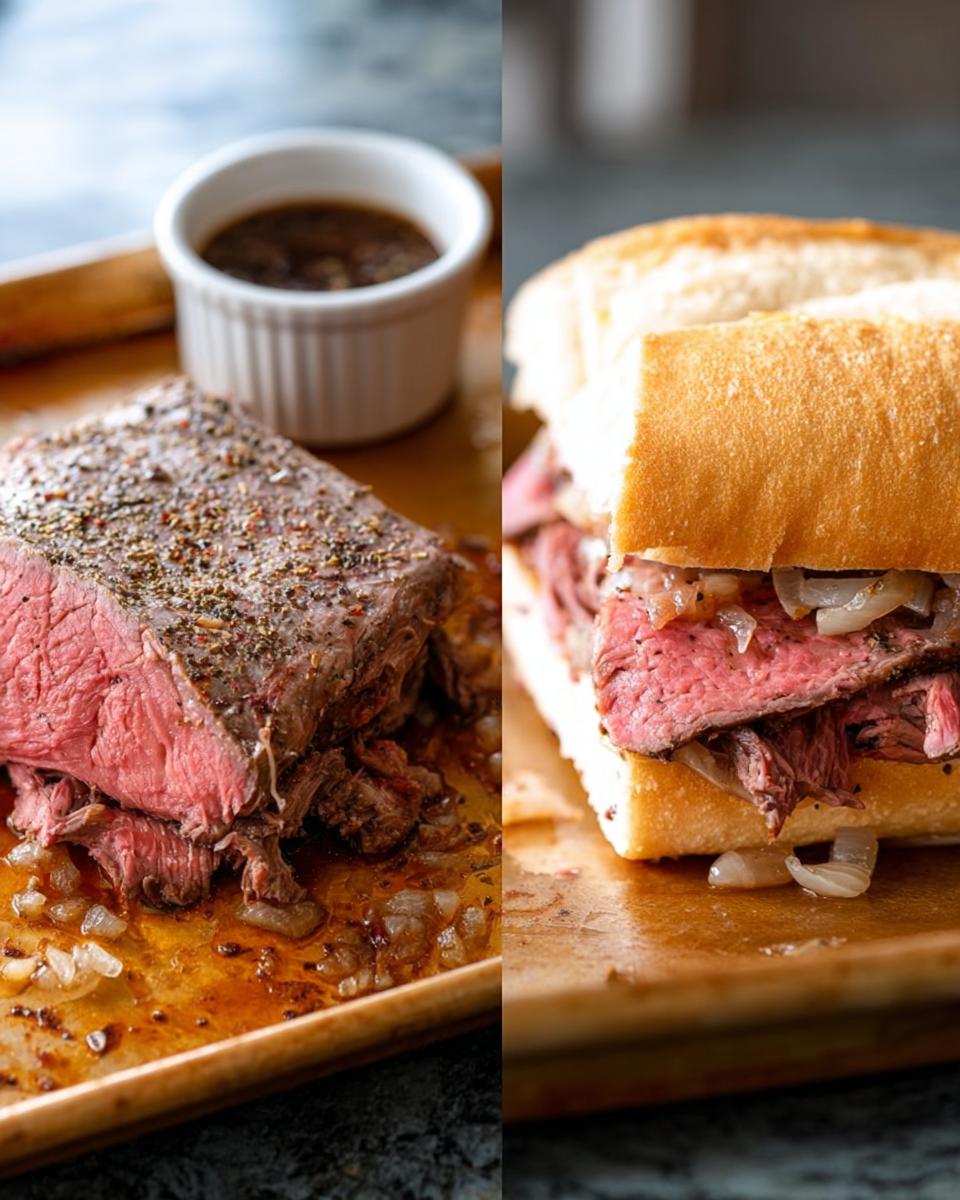
So, you’ve mastered the art of the rich beef au jus and your French dips are piled high with perfectly tender meat and sweet onions. Fantastic! But what do you serve on the side? You don’t want a heavy side dish competing with a classic like this; we need things that complement that savory roast beef richness without weighing everyone down.
The main show, of course, is the dunking! Make absolutely sure that leftover au jus is heated up properly—not boiling, just steaming gently—and served nearby in a little bowl or ramekin for every person. That warm liquid is non-negotiable for the full experience!
Light Sides for Balance
Since the sandwich itself is hearty—bread, cheese, rich beef—I always lean toward sides that offer a nice, bright crunch to cleanse the palate between dips. Think crispness and acidity!
- A simple backyard coleslaw: Skip the heavy mayo dressing; go for a vinegar-based slaw with lots of crunchy cabbage and carrots. That slight tang just cuts right through the richness of the meat and cheese beautifully.
- Salt and Vinegar Kettle Chips: Sometimes you just need crunch, and salty, vinegary chips are amazing for grabbing a quick bite before you dip again.
- A Simple Green Salad: Don’t overthink this. Toss some mixed greens with a sharp lemon vinaigrette. It’s quick, fresh, and complements the savoriness without fighting it.
If you’re looking for something a little more substantial but still on the fresher side, you might enjoy the vegetable focus in my turkey veggie zucchini skillet. While not an exact match, it keeps that fresh, bright theme going!
Don’t Forget the Pickles!
This might feel obvious, but you absolutely need some form of pickle nearby. I usually keep sliced dill pickles on the board—the strong sour flavor is perfect for resetting your tastebuds. Sometimes I even throw a handful of pepperoncini peppers right onto the sandwich before melting the cheese for an extra spicy kick!
The key here is contrast. Rich beef needs bright acid and crisp texture to make every single bite feel new again. Enjoy dipping!
Frequently Asked Questions About Making Aujus Sauce Recipe
When you’re taking the time to craft a beautiful batch of this dipping sauce, natural questions pop up! I always want to make sure you feel totally confident walking into the kitchen, especially when trying to recreate those legendary French Dip flavors. Here are a few things folks ask me most often about this Aujus Sauce Recipe.
Can I skip caramelizing the onions?
Oh, you *can* skip it, but trust me, you’ll be skipping the best part! Lightly sautéing the onions until they are translucent just won’t give you the incredible, deep, almost molasses-like sweetness that caramelizing does over those 120 minutes. When you skip that slow cook, the final Au Jus Sauce Recipe lacks that balancing sweetness to cut through the savory beef flavor. If you absolutely can’t do the slow sauté, just use raw sliced onions, but know that the resulting sandwich won’t have that quintessential depth we are aiming for!
What is the best way to slice roast beef thinly?
This is so important for soaking up the juiciness! The best way, hands down, is to make sure that rump roast is rock solid cold—I mean, chilled overnight. When the meat is cold, the muscle fibers firm up, giving you a solid structure to work with. You want to use the longest, sharpest knife you own. Then, you must slice *against the grain*. Look at the meat and see which way the big muscle lines run, and angle your knife perpendicular to those lines. This shortens the tough fibers and gives you those melt-in-your-mouth slices ideal for dipping.
Can I use store-bought roast beef for this recipe?
I get the temptation, especially if you’re in a hurry! You certainly *can* use pre-cooked, deli-sliced roast beef just to dip into the homemade au jus. However, the whole spirit of this Homemade Au Jus Sauce is built around the flavorful drippings from roasting your own meat. When you use deli meat, you miss out on that incredible seasoning, the rendered fat, and the initial roasting step, which is where so much of the savory flavor comes from. If you use deli meat, your au jus will be flavorful from the consommé, sure, but a little one-dimensional. For the ultimate experience, roast your own!
How can I make the au jus richer without adding fat?
That’s a smart question! If you find your au jus, once the fat has skimmed off, seems a little thin, we need to build body without adding back heavy fat. The trick here is time and concentration. If you have extra beef broth lying around that wasn’t used in the recipe, you can simmer the already combined au jus mixture *longer* once the flavor is established. Let it gently reduce until it coats the back of a spoon just slightly. Also, make sure those onions were *truly* caramelized, not just sautéed, because those sugars dissolve and add body!
I also have some great leftover ideas for turkey if you find yourself with too much meat later, like in my turkey lettuce wraps. Sometimes having a few simple backup meals helps with leftovers!
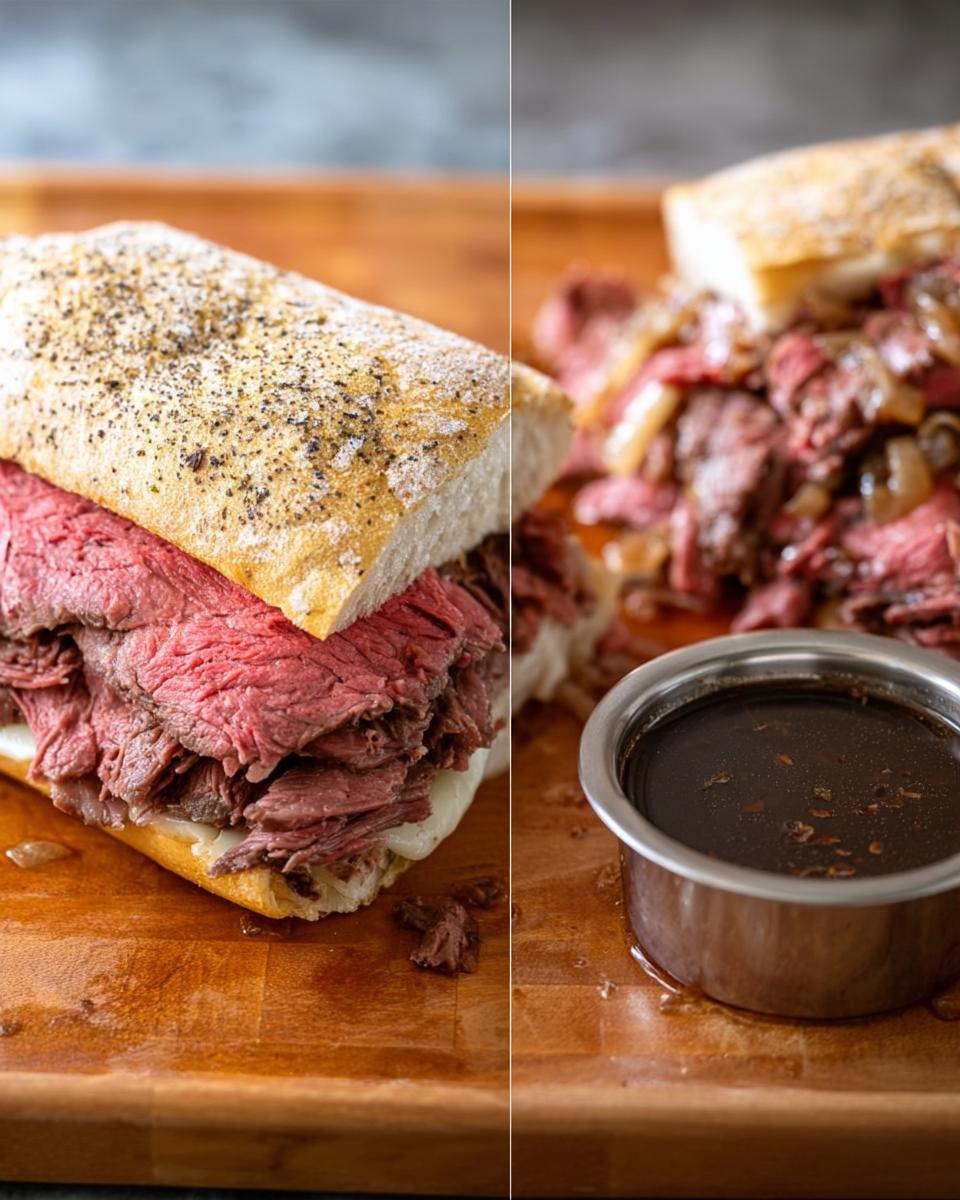
Final Thoughts on How to Make Delicious Au Jus: A Perfect Sauce for French Dip Sandwiches
Well, that’s it! You’ve officially mastered How to Make Delicious Au Jus: A Perfect Sauce for French Dip Sandwiches. Isn’t it amazing how that slow-cooked roast and those sweet onions transform everything? I sincerely hope this recipe brings that wonderful San Francisco café magic to your own kitchen. Now go make yourself one of these spectacular sandwiches, and please come back and let me know what you think! Rate this recipe below and share your dipping triumph! If you have any questions after your first try, you know where to find me over at my contact page!
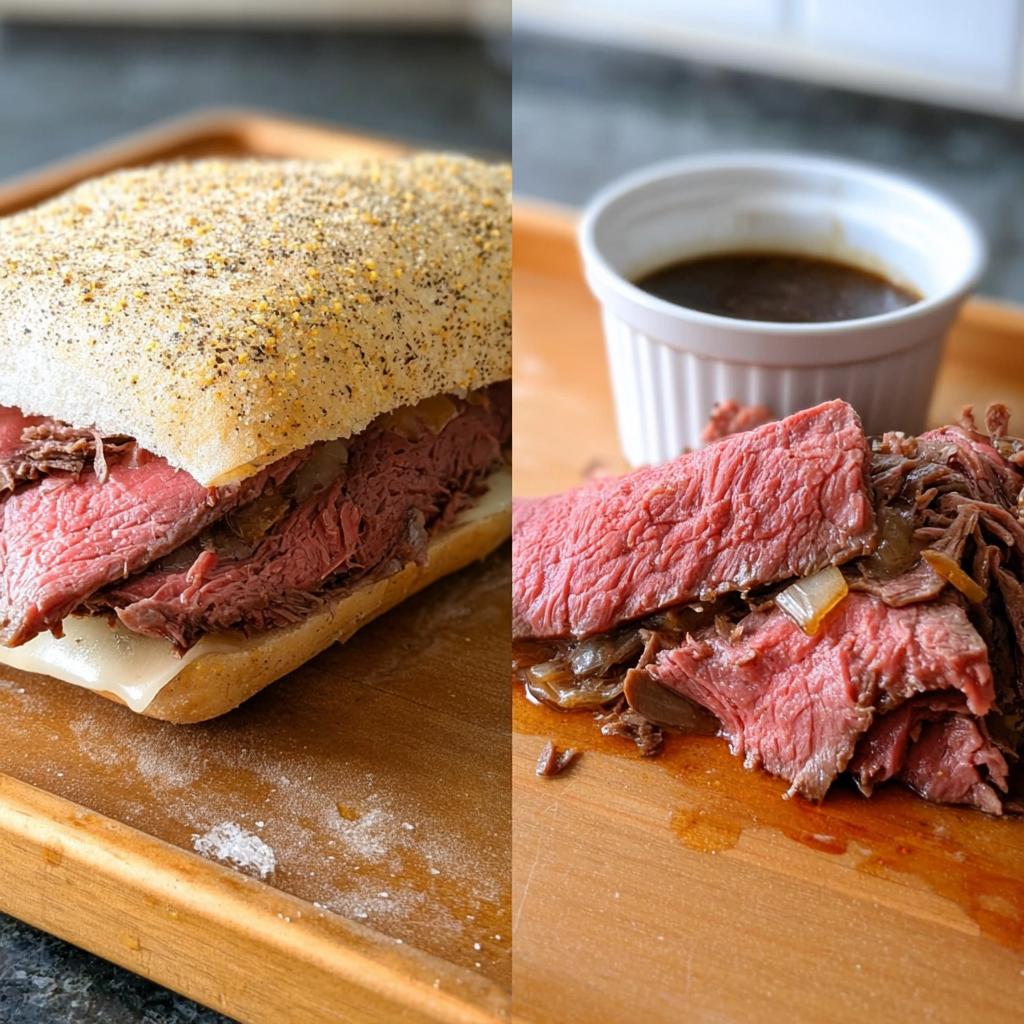
How to Make Delicious Au Jus: A Perfect Sauce for French Dip Sandwiches
Ingredients
Equipment
Method
- The day before serving, preheat your oven to 250°F (120°C). Place the rump roast on a baking sheet or roasting pan. Rub it with 1 tablespoon of olive oil and cover it with Montreal steak seasoning, patting the seasoning into the meat.
- Cook the roast for 2 to 2 1/2 hours, or until it reaches an internal temperature of 120°F (rare) to 140°F (medium). Remove the roast from the oven and let it cool to room temperature. Cover and refrigerate it. This makes it easier to slice thinly when cold.
- Peel and slice the yellow onions into 1/4-inch thick slices. Heat the remaining 1 tablespoon of olive oil in a heavy pot or Dutch oven with a tight-fitting lid over medium heat. Add the sliced onions and a pinch of kosher salt. Stir to combine, place the lid on the pot, and simmer the onions, stirring occasionally, for 1 to 2 hours, or until they are soft and golden.
- Transfer the caramelized onions to a storage container and refrigerate them until ready to serve.
- When ready to assemble the sandwiches, place the cold roast beef on a carving board. Use a very sharp carving knife to slice the beef very thinly. Set aside.
- In a saucepan, combine the beef consommé, water, and sherry. Heat the mixture to a simmer and taste for seasoning. If it is too salty for your preference, add a little more water. Keep the au jus on a simmer.
- Preheat your oven to 350°F (175°C). Split the hoagie rolls lengthwise and place them on a baking sheet. Fill each roll with two slices of provolone cheese and place them in the oven for 3 to 5 minutes, or until the cheese just begins to melt.
- Reheat the caramelized onions in the microwave for 1 to 2 minutes. Set aside.
- Using tongs, transfer about half a pound of the thinly sliced beef to the simmering au jus. Heat the beef for 30 to 40 seconds in the jus. Use the tongs to transfer and pile the beef onto the prepared hoagie rolls.
- Top each sandwich with a scoop of the reheated caramelized onions.
- Divide the au jus into 6 ramekins and serve alongside each sandwich for dipping.
Nutrition
Notes
Tried this recipe?
Let us know how it was!