
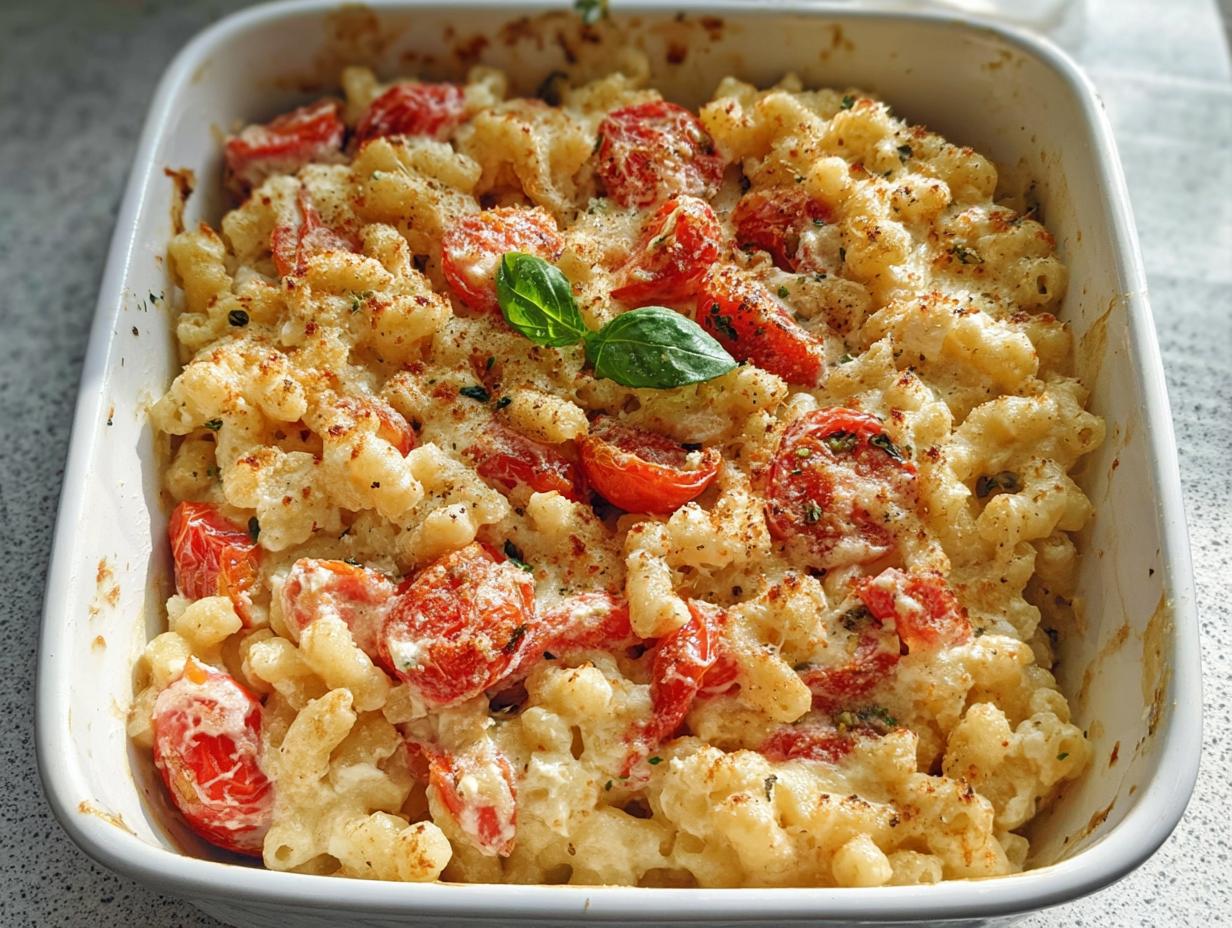
There is nothing I love more than turning a super simple, every-night kind of meal into something that feels completely magical. You’ve probably seen the hype around the feta pasta trend floating around the internet—it’s fast, it’s delicious, and honestly, it deserves all the praise it gets. But I wanted to give it my own little signature spin, bringing in that hyperlocal flavor I’m obsessed with.
I vividly remember the first time I stumbled upon a patch of wild tomatoes while on one of my urban foraging walks in Brooklyn. I was captivated not just by the taste, but by the way something so fresh and local could elevate an everyday ingredient. That inspired me to experiment with this Baked Feta Tomato Pasta, which really embodies this spirit of simplicity and surprise.
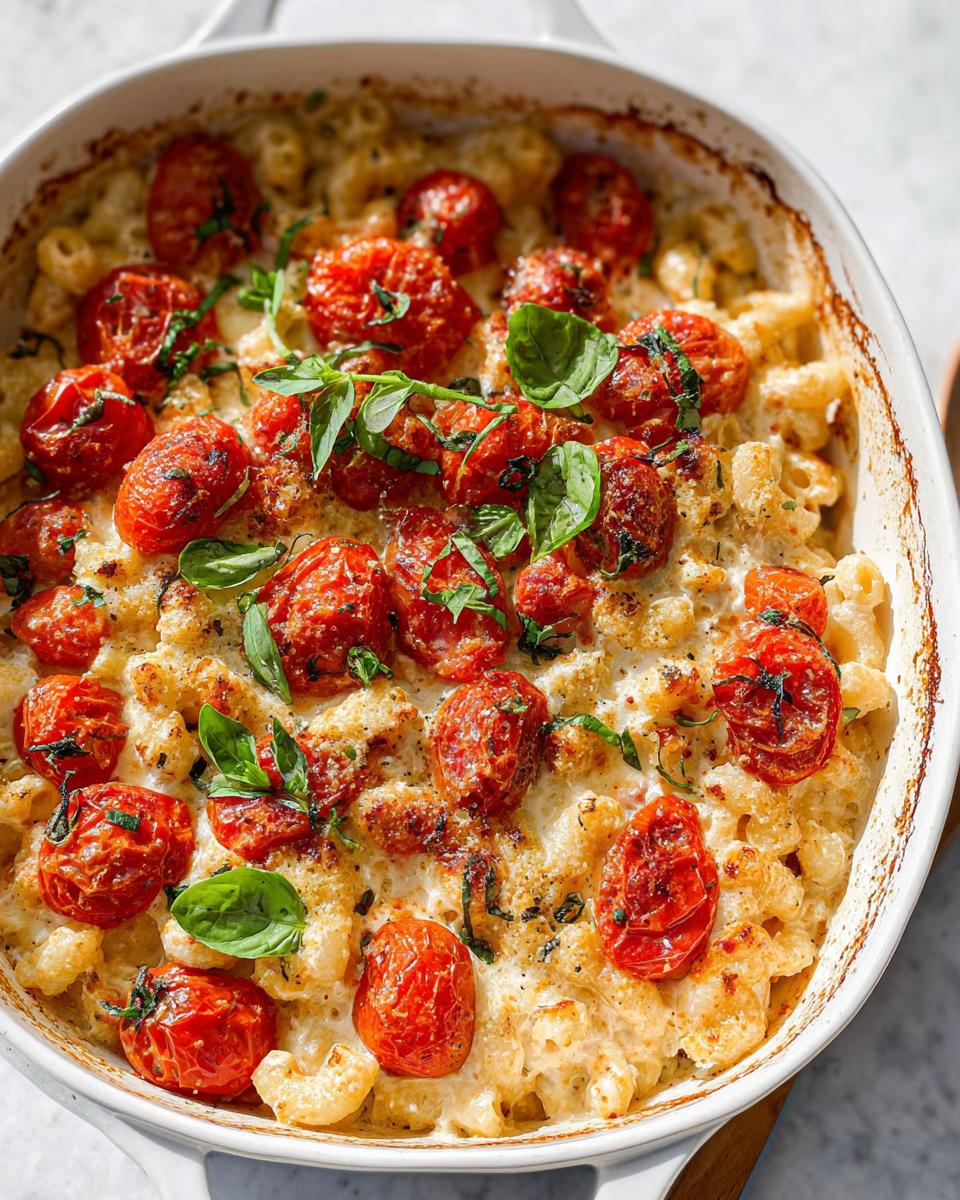
Tossing everything together felt like weaving together flavors from nature, and the final dish was an ode to the city’s hidden bounty—creamy, tangy, and bursting with the essence of summer. Every bite reminded me of those wild tomatoes, and now, whenever I make it, I feel like I’m inviting my friends into a little piece of the urban wilderness right here in my kitchen. Don’t worry if you aren’t foraging, though; standard cherry tomatoes work just as beautifully!
Why This Baked Feta Tomato Pasta Recipe Works (Easy Vegetarian Dinners)
When dinnertime rolls around, I need something that delivers big flavor without making a huge mess, and this recipe just nails it. It’s the reason I keep pushing this baked feta tomato pasta as one of my go-to easy vegetarian dinners for busy weeknights. Trust me on this one—it’s almost impossibly simple!
- Minimal Cleanup: Everything cooks right on one baking dish. Seriously, one dish!
- Speed Factor: Total time is under an hour, which is fantastic for a hearty meal.
- Flavor Profile: You get that amazing salty tang from the feta mixed with sweet, roasted tomatoes.
- Vegetarian Win: It’s absolutely satisfying without needing any meat.
Plus, it’s flexible! You can check out some other quick dinner ideas if you ever get tired of this one, but I doubt you will!
Gathering Ingredients for Your Baked Feta Tomato Pasta
Okay, since this baked feta tomato pasta is so straightforward, the secret to making it taste fantastic lies entirely in using clear measurements and good, fresh ingredients. You don’t need a pantry full of specialty items for this one! In just about 45 minutes total, you’ll have enough for four happy people.
I’ve broken down exactly what you need below. Stick to these quantities, and you are guaranteed that creamy, tangy result every single time.
Pasta and Tomatoes for Baked Feta Tomato Pasta
- 8 ounces cavatappi pasta or pasta of your choice (I love how the spirals catch the sauce!)
- 2 pints cherry tomatoes (The riper, the better!)
- 8 ounce block feta cheese (Don’t use the crumbled stuff here—the block melts beautifully.)
- 1/2 cup extra virgin olive oil (We use a decent amount here, it turns into the sauce!)
- 1/4 teaspoon salt
- 1/4 teaspoon black pepper
Finishing Ingredients for Baked Feta Tomato Pasta
These little guys take the roasted base and kick it up a serious notch right at the end. Don’t skip the fresh basil!
- 2 garlic cloves minced
- 1/4 cup fresh basil packed and chopped (plus you’ll want more for serving on top!)
Equipment Needed for Roasted Tomato Pasta
Since this is such a hands-off meal once it hits the oven, we don’t need a million pots and pans cluttering up the draining board! Having the right dish makes sure that feta melts into that gorgeous, smooth pool we are aiming for, instead of spreading out too thin.
For this specific recipe, I always use a standard 9×13 rectangular baking dish. That size gives the cherry tomatoes enough room to breathe and roast properly without steaming too much. You can find tips for pairing your tools with your recipes over here if you’re ever wondering if you’re using the right gear for the job for all your dinner ideas.
Here’s the quick list of what you’ll absolutely need:
- A 9×13 rectangular ceramic baking dish (This is non-negotiable for the proportions to work!)
- Anodized Nonstick Cookware (This will be for boiling your pasta, but make sure it’s something you can easily dump the water out of because you need to reserve some!)
That’s it! See? It’s shockingly easy. We aren’t even messing with multiple bowls for mixing; everything happens right there in the baking dish. That’s why I love this roasted tomato pasta so much for quick weeknights!
Step-by-Step Instructions for Perfect Baked Feta Tomato Pasta
Alright, buckle up, because this is where the magic happens, and trust me, it is almost laughably easy. If you’ve been skeptical of all those viral recipes out there, this method is so reliable that even a kitchen novice can pull off this incredible roasted tomato pasta. We are aiming for sweet, bursting tomatoes and gloriously creamy feta. Let’s get this into the oven!
Preparing the Tomatoes and Feta for Baking
First things first, crank that oven up to 400°F. You want it hot and ready to go. Take your cherry tomatoes and give them a good toss right there in your 9×13 baking dish—don’t bother with a separate bowl, remember? Drizzle them generously with that half-cup of olive oil. Then, sprinkle everything with your salt and pepper. Next, take that whole block of feta cheese and nestle it right into the middle of those tomatoes. You might need to flip it over once or twice to make sure it gets coated in all that fragrant olive oil before it hits the heat.
Baking the Feta Tomato Pasta Base
Pop the dish into the 400°F oven and set a timer for 35 minutes. Seriously, that’s the main time component for this entire meal! You’ll know it’s ready when the tomatoes have softened so much they look totally burst open and wrinkly, and that block of feta has softened into a beautiful, creamy puddle. It’s going to smell amazing already!
Cooking the Pasta and Combining the Baked Feta Tomato Pasta
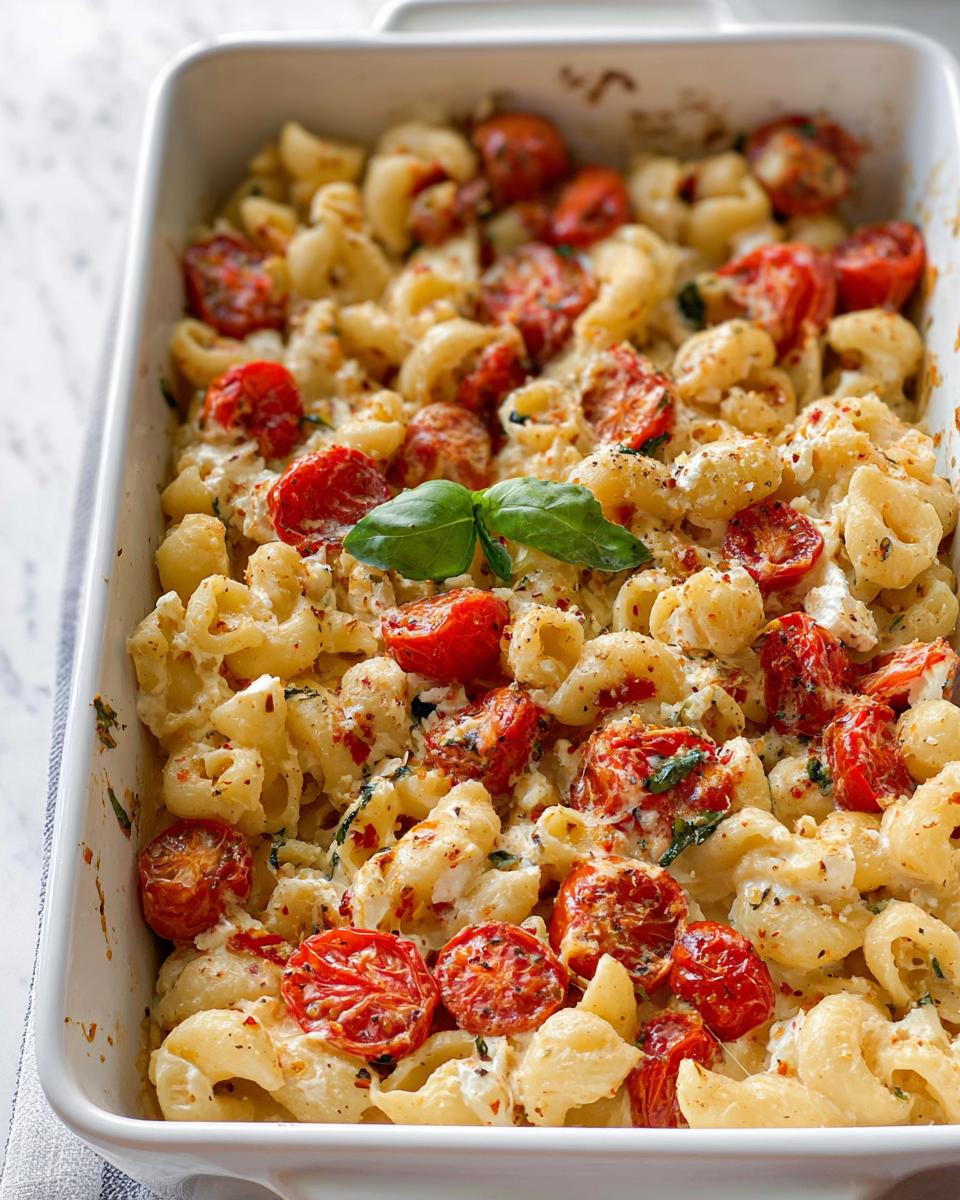
While that’s roasting, get your pasta cooking in generously salted water. I always tell people to cook it just shy of what the package says—we want it perfectly al dente because it’s going back into the oven heat. Super important tip: Before you drain it, scoop out about half a cup of that starchy pasta water; it’s our secret weapon for the perfect sauce consistency later. For quick weeknight dinners, prepping the sauce while the pasta cooks is the way to go!
The second the feta dish comes out of the oven—be careful, it’s hot!—toss in your minced garlic and all that fresh basil. Stir that melted cheese and the hot tomatoes vigorously until it all turns into a thick, glorious sauce. Then, dump your drained pasta right into that dish, toss everything until every noodle is coated, and maybe splash in a little reserved pasta water if it looks too tight. Garnish with even more fresh basil right before serving. That’s your baked feta tomato pasta done!
Expert Tips for Next-Level Baked Feta Tomato Pasta
You know how I mentioned those wild tomatoes I found? Well, that’s where my best advice comes from—using what’s vibrant and fresh makes this dish sing! It elevates the whole experience from just a simple dinner idea to something memorable.
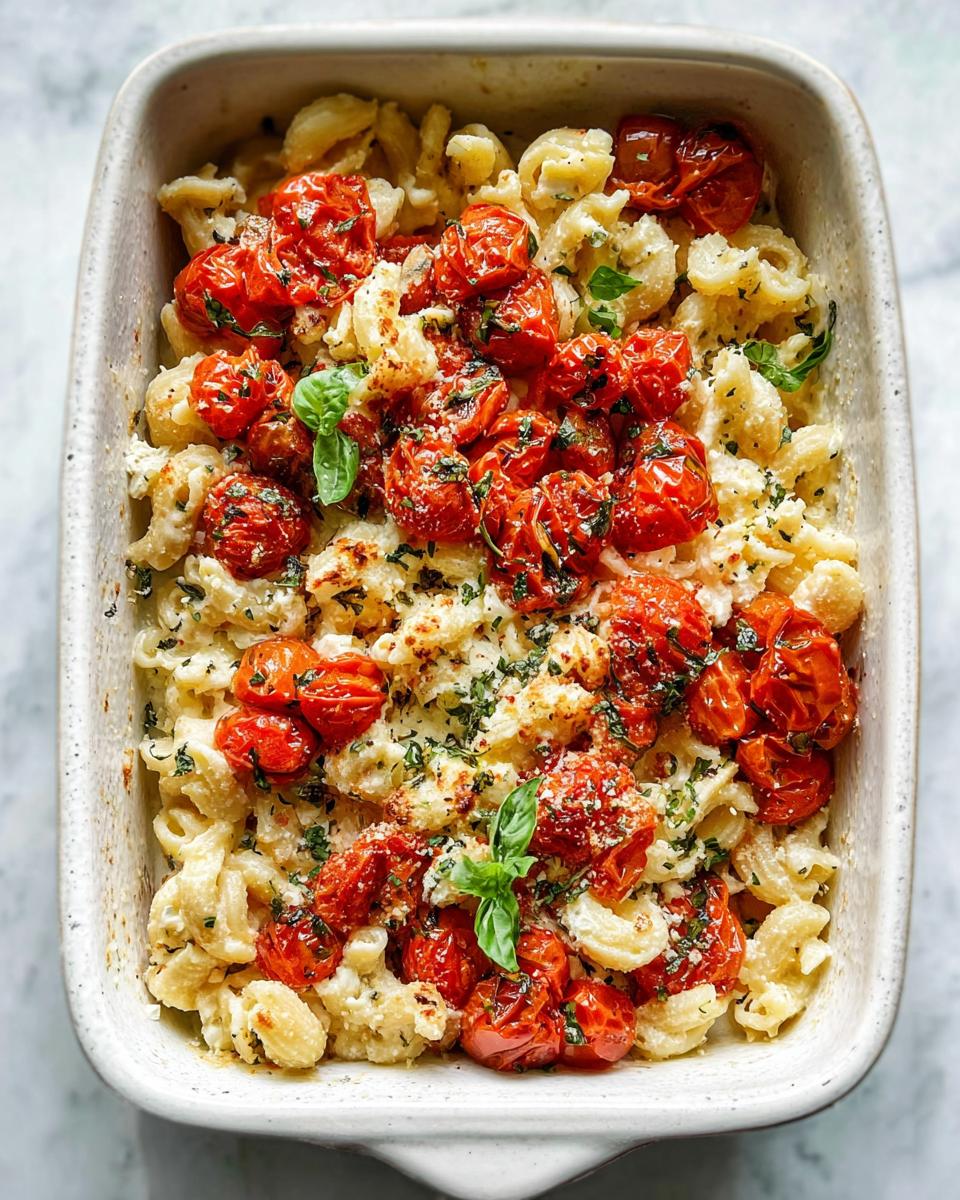
My top trick, besides using the freshest herbs possible, is to really massage the feta with the olive oil *before* baking. Don’t just plop it in there! Gently coat the surface, and it seems to melt more evenly, spreading that creamy saltiness into the tomatoes better. Also, don’t be scared of garlic!
If you want to add a little something extra, roast an entire head of garlic alongside the tomatoes instead of just using minced cloves at the end. The roasted garlic gets sweet and spreadable—total game-changer for richness!
Ingredient Notes and Substitutions for Your Baked Feta Tomato Pasta
Since this dish is so simple, you might have questions about what you can swap out if you don’t have exactly what I listed. That’s totally normal! When you’re making something relying on just a few key players, knowing the right substitutes builds so much confidence in the kitchen.
The core of this recipe is the combination of high-quality oil, good tomatoes, and that block of feta. If you change those, you change the entire vibe, but we can work around it!
Let’s talk about the pasta first. I used cavatappi because its curves hold onto that creamy sauce perfectly, but please don’t feel trapped! Penne, rigatoni, or even short spirals like rotini work wonderfully. If you use long pasta like spaghetti, you’ll need to reserve more of that starchy water and toss it really aggressively to make sure you get a sauce that coats everything, not just a watery puddle.
Now, the feta. This is the trickiest part. You absolutely need a block of feta for the best texture; the pre-crumbled stuff has anti-caking agents and just dries out instead of melting into that luxurious sauce. If you absolutely cannot find feta, you could try using an equal amount of firm goat cheese (chèvre) in its place. Just know that the flavor profile shifts dramatically—goat cheese is tangier and earthier, whereas feta is saltier. It’s still delicious, but it’s a different experience, so manage your expectations!
As for the tomatoes, if you can’t find cherry tomatoes, grape tomatoes work fine; they just might take a couple more minutes to fully burst open in the oven. Don’t try to substitute canned diced tomatoes here, though; they’re too wet and you won’t get that nice caramelization around the edges of the baking dish that makes this recipe so good!
Storing and Reheating Leftover Baked Feta Tomato Pasta
Even though this baked feta tomato pasta is so amazing that sometimes there aren’t any leftovers—I blame my hungry family!—it keeps surprisingly well. If you do manage to save some, good on you! You’ve got an amazing quick lunch or a second easy vegetarian dinner waiting for you.
According to my notes, you can store any leftovers in an airtight container right in the refrigerator, and they should be good for about three to four days. Since it’s pasta, things can get a little tight and dry once they cool down, but don’t worry; fixing that is super simple!
The key to reheating this beautifully is adding back some moisture. If you just microwave the pasta straight from the fridge, it’s going to taste stiff. Before you pop your portion into the microwave (or even into a small pan over low heat), stir in just a tablespoon or two of water or maybe a splash of milk. Water works great, but milk adds a tiny bit of creaminess back into that sauce that might have tightened up.
It only needs about 60 to 90 seconds in the microwave on medium power, stirring halfway through. You want it steaming hot, but not boiling and separated. If you’re looking for more ways to make sure your prepped meals taste fresh later, check out some of my tips on meal prepping storage; the principles apply here too!

Honestly, the olive oil and feta base holds up better than most tomato sauces, so you shouldn’t have major texture issues!
Frequently Asked Questions About This Feta Pasta Trend
I get so many lovely messages about this feta pasta trend, and usually, people are asking the same few things, especially when they try to adapt it for different diets or needs. Since this recipe is primarily built around just a few core ingredients, those little changes can sometimes throw things off balance, so I want to make sure you avoid any disasters!
Can I add protein to this Baked Feta Tomato Pasta?
Oh, absolutely! If you’re looking to make this a more substantial meal or just want to bulk it up past a standard easy vegetarian dinners fare, adding protein is simple. I would highly recommend lightly sautéing some chicken breast or maybe some Italian sausage beforehand—cook it *completely* on the stovetop. Then, you simply add that cooked meat into the baking dish right at the end when you mix in the garlic and basil. That way, you don’t overcook the protein in the oven while you wait for the feta to melt.
What if my feta doesn’t melt properly? It still looks like a block!
This is the most frustrating thing when trying this recipe for the first time! If your feta isn’t melting, there are usually two culprits. First, make sure you aren’t using pre-crumbled feta—it dries out instead of melting. Second, check your temperature. You need at least 400°F. If your oven runs cool, those 35 minutes might not be enough. If 35 minutes pass and it’s soft but still holding shape, just let it ride for another 5 to 10 minutes. You can even put it under the broiler for one minute at the *very* end, but watch it like a hawk with that broiler because feta burns fast!
Is this recipe considered a genuinely healthy dinner option?
That’s a great question, especially since we use a whole block of feta and a good amount of olive oil! When you look at the whole picture, it’s a fantastic option for fresh eating, and certainly healthier than something heavily processed. You’re getting tons of antioxidants and Vitamin C from those roasted tomatoes, and feta offers protein and calcium. The fat content is higher because of the cheese and the oil, but those are healthy fats! If you wanted to pull back on the richness, you can definitely use less olive oil to start, or swap half the feta block for, say, a dollop of Greek yogurt stirred in at the end instead of mixing the whole block in. For a balanced option, I think it totally counts as a wonderful weeknight dinner.
Can I bake this recipe without the tomatoes?
You certainly could, but honestly, you’d lose the essence of what makes this dish shine! The tomatoes roast, burst, and mix with the melted cheese to create that essential sauce base. If you skip them, you’re just left with a block of hot, salty cheese. If you have a tomato allergy, try roasting half a cup of sun-dried or roasted red peppers in oil instead; they offer a similar concentrated sweet/tangy flavor profile that the sauce needs!
Nutritional Estimate for Baked Feta Tomato Pasta
Now, I know some of you are watching your macros, and honestly, that’s fine! While this recipe is simple, it does use a full block of feta and a good amount of olive oil, which packs flavor but also means we need to be realistic about what we’re eating. This kind of cooking is all about enjoying the moment, but knowing the numbers helps me personally when I’m planning my week.
Take these numbers with a big old pinch of salt, okay? I ran the full recipe through my usual calculator, but remember, the actual values depend entirely on the brand of feta you buy and how much pasta water you actually end up adding in that final toss. These estimates are based on the standards I listed for four servings.
Here is what the numbers generally look like per serving for this baked feta tomato pasta:
- **Calories:** 430
- **Fat:** 27 grams (with 8 grams being saturated fat)
- **Carbohydrates:** 36 grams
- **Protein:** 12 grams
- **Sodium:** About 548 mg
It’s a wonderfully low-sugar dish, which I love, and you get a decent hit of calcium thanks to that beautiful block of cheese. If you are worried about sodium—because, hey, feta is salty—try using a low-sodium pasta water when you thin the sauce, or maybe skip adding the extra salt during the initial tomato toss. Just remember, we’re aiming for flavor here, and flavor is never measured in calories!
Share Your Baked Feta Tomato Pasta Creations
I’ve shared my secret to turning this popular internet recipe into my own little slice of urban summer, and now it’s your turn! Seeing your kitchen creations is genuinely the best part of blogging. Seriously, tag me if you make this! I live for those creamy, savory photos.
When you whip up this baked feta tomato pasta, please hop over to the rating section below and let me know how many stars you’d give it. Was it that perfect 5-star meal? Did you tweak the basil amount? Did you try adding anchovies for a salty kick (don’t tell my vegetarian friends I suggested that!)?
Snap a picture and share it on social media—you can find me online where I’m always talking about what’s fresh and local. Use the hashtag so I can easily find it! I look forward to seeing your spins on this wonderful roasted tomato pasta dish. And hey, if you ever have questions about any of the processes or just want to say hi, you can always reach me directly over at my contact page! Happy cooking, friends!

Baked Feta Tomato Pasta
Ingredients
Equipment
Method
- Preheat your oven to 400°F. Place the cherry tomatoes in an oven-safe baking dish. Pour the olive oil over the tomatoes and season with salt and pepper. Toss everything until it is well combined.
- Place the block of feta cheese in the middle of the baking dish, surrounded by the cherry tomatoes. Flip the feta a couple times to coat it with the olive oil and seasoning.
- Bake in the preheated oven for 35 minutes, until the cherry tomatoes burst and the feta cheese melts.
- While the tomatoes and feta are baking, cook the pasta in a pot of salted water according to package instructions until it is al dente. Drain the pasta, reserving 1/2 cup of the cooking liquid in case you want to add it later.
- Immediately add the minced garlic and fresh basil leaves to the hot tomatoes and melted feta in the baking dish and toss everything to combine.
- Transfer the cooked pasta to the baking dish and toss to combine all ingredients. Garnish with more fresh basil and serve the pasta warm.
Nutrition
Notes
Tried this recipe?
Let us know how it was!
Urban Forager & Hyperlocal Ingredient Specialist
My Brooklyn apartment balcony tells my story: vertical gardens packed with wild edibles, fermentation crocks bubbling with city-foraged greens, and the constant hum of dehydrators preserving herbs I’ve collected from unexpected urban corners. What started as weekend escapes to my aunt’s upstate farm during my Columbia botany studies turned into something bigger after I earned my Urban Ecology Master’s from The New School.
Instead of following traditional academic paths, I discovered that cities are actually amazing edible ecosystems—rooftop weeds, park-edge wild greens, vacant lot treasures that perfectly complement keto eating. Who knew that some of the best low-carb foods were growing right under our noses in Manhattan?
My recipe collections celebrate city seasons: spring dandelions and plantains, summer purslane from rooftops, autumn rose hips from community gardens, winter wild onions and cress. I’m certified through the New York Mycological Society and trained by Brooklyn Botanic Garden to forage safely and ethically. Over 180 of my recipes feature at least one urban-foraged ingredient—from sidewalk plantains to sumac berries and wild mint thriving in vacant lots.
My “Metropolitan Wild” column went viral after my dandelion coffee substitute hit social media. Now my weekend “Urban Wild Walks” through Central Park and Prospect Park sell out faster than I can schedule them. I teach city dwellers to spot safe, keto-friendly wild foods hiding in plain sight.
Currently, I’m partnering with local chefs to bring urban foraged elements to restaurant menus and developing an app that maps safe foraging spots across all five boroughs. Evenings find me tending my sourdough starters, pressing flowers for natural dyes, or weaving baskets from willow branches I collect during park maintenance.
Cities are wild food sanctuaries hiding in plain sight—keto eating becomes urban rebellion when you realize how much free, perfect nutrition grows right under our feet.