
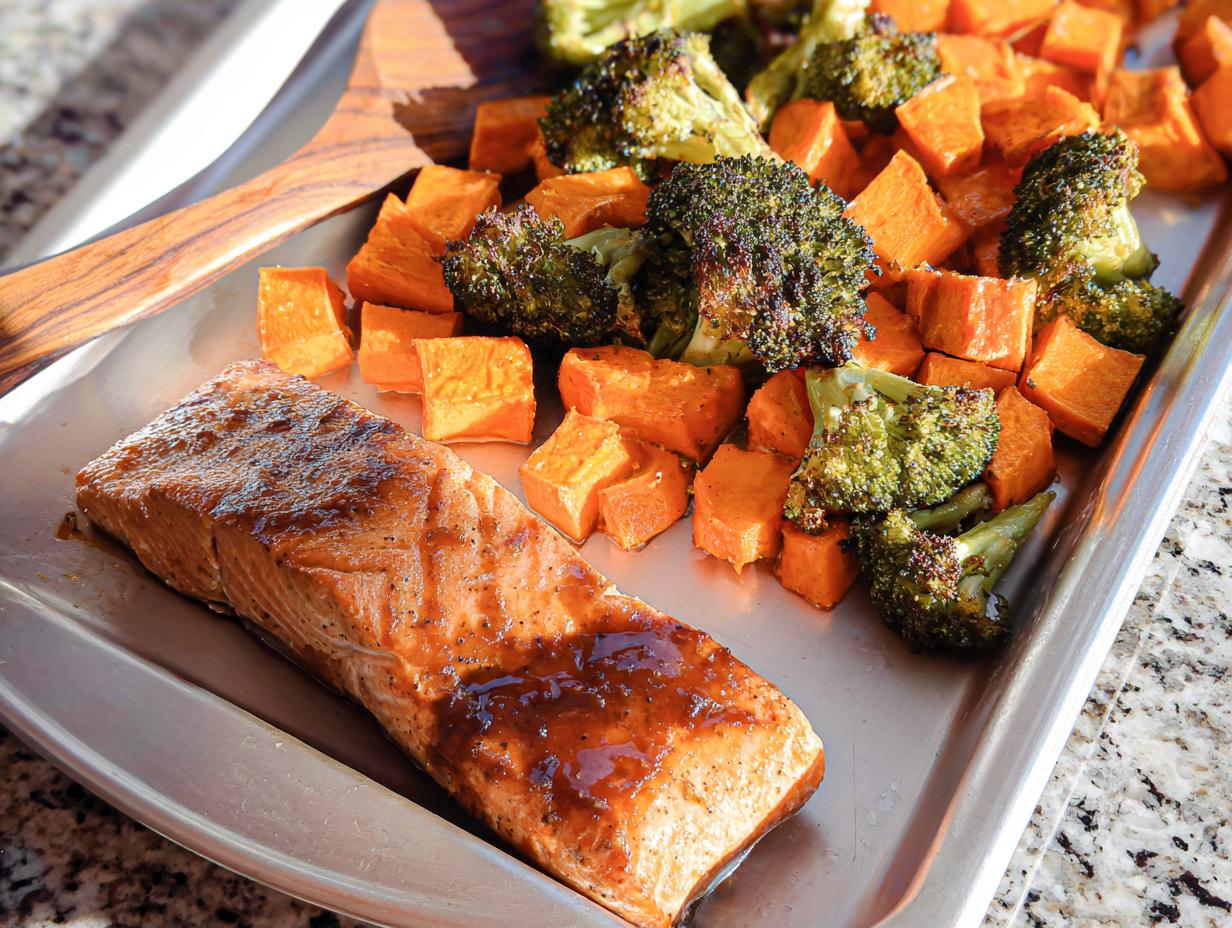
Are you tired of staring into the fridge at 6 PM, desperately trying to figure out how to get a healthy, flavorful dinner on the table without creating a mountain of dishes? Trust me, I completely get it. Between juggling my cultural projects and my passion for exploring global keto cuisine, those hectic weeknights demand simplicity!
That’s why the Maple Dijon Salmon Sheet Pan Dinner isn’t just a recipe; it’s my emergency rescue plan. This beautiful creation has this incredible ability to taste like I spent hours fussing, but it only takes minutes of my time. I first dreamt this up while thinking back to my travels—the combination of sweet maple and sharp Dijon always reminds me of a weekend trip up north.
It delivers vibrant flavor across perfectly cooked salmon and veggies all in one go. If you’re looking for vibrant, healthy dinner ideas that actually taste amazing, stick around. This is where weeknight cooking meets culinary adventure.
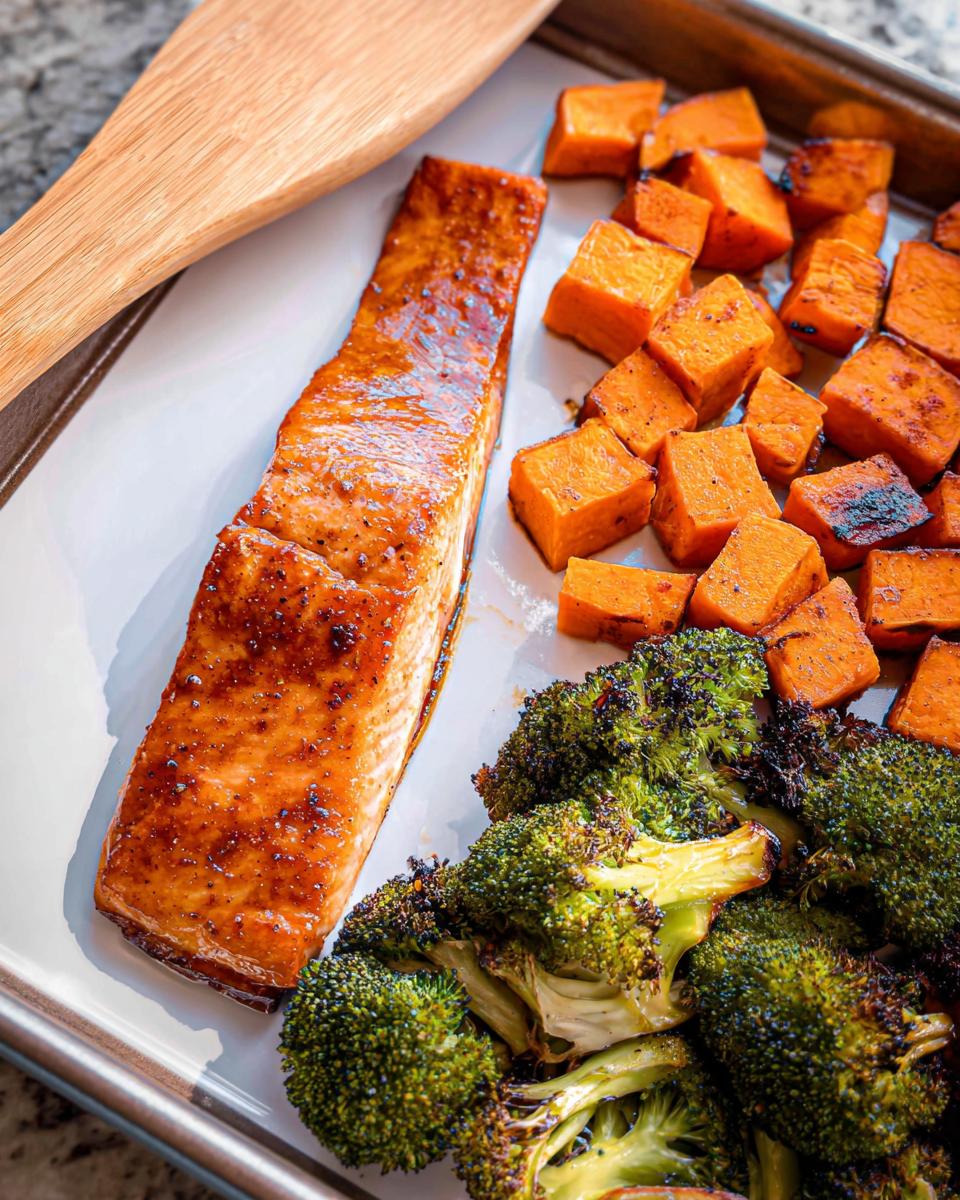
Why This Maple Dijon Salmon Sheet Pan Dinner Works for Busy Cooks
Honestly, when I’m pressed for time making my healthy weeknight meals, I need efficiency. That’s why I swear by this concept. We’re getting a full, balanced meal plus an incredible flavor payoff, all while avoiding a sink full of dishes. It just makes sense!
Here’s the scoop on why this specific sheet pan salmon setup saves my busy evenings:
- Quick Prep and Minimal Cleanup: Seriously, we’re talking 15 minutes of hands-on time. You chop, you mix the glaze, you put it on one pan, and boom—dinner is half done! The cleanup is just the cutting board and the one sheet pan once you line it with foil or parchment.
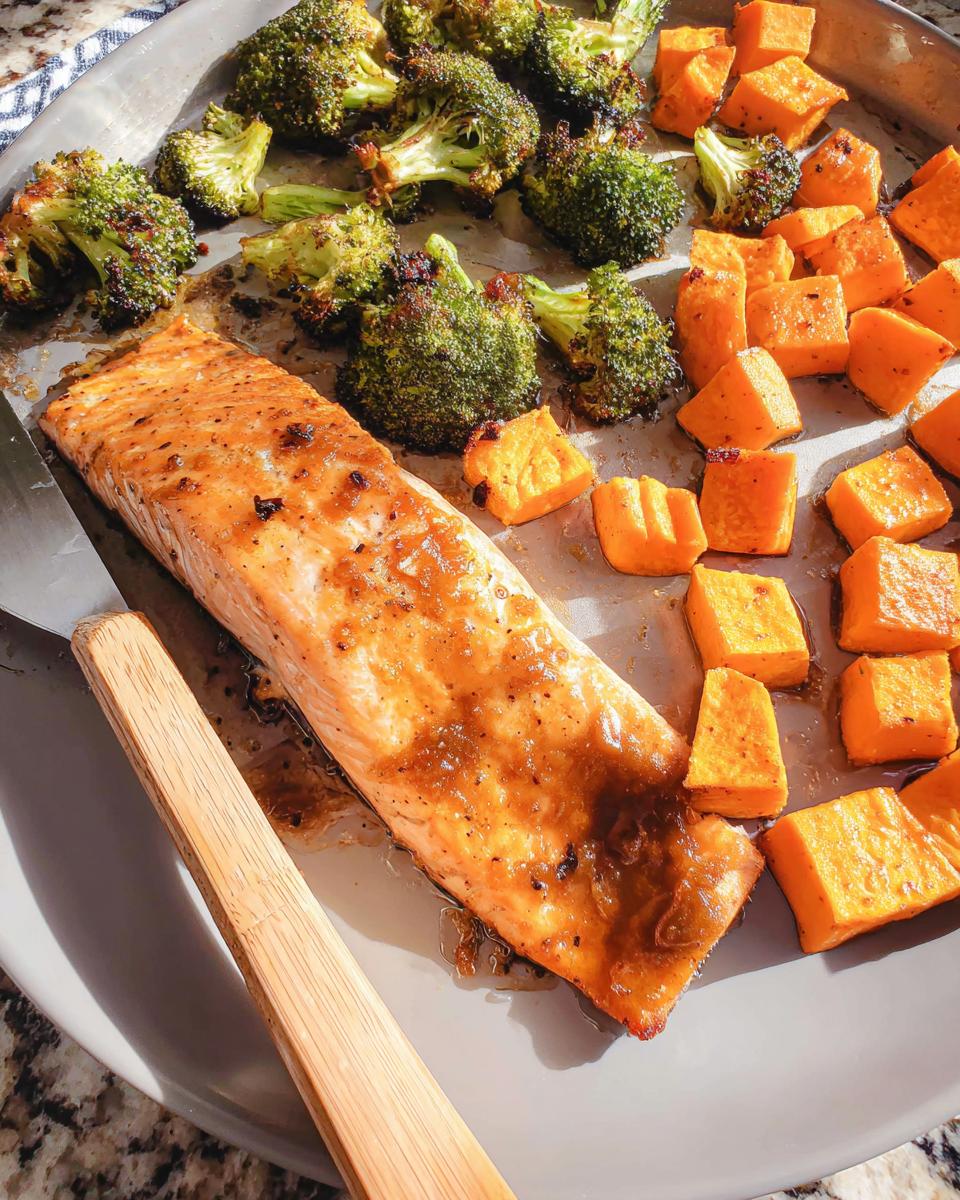
- Flavor Profile: The Maple Dijon Glaze: Don’t let the simplicity fool you. That blend of maple syrup and Dijon mustard caramelizes on the salmon while the heat hits the sweet potatoes. It’s savory, slightly sweet, and tangy—total restaurant flavor without any restaurant time commitment.
Gathering Ingredients for Your Maple Dijon Salmon Sheet Pan Dinner
Okay, let’s talk about what we need. Since this is a full meal on one tray—our lovely veggie and salmon tray—we’re broken into three simple groups. Don’t feel overwhelmed by the list; it’s all straightforward pantry and fridge staples!
For the Veggie and Salmon Tray Base
First up are the trusty vegetables. You need about a pound of sweet potatoes; make sure you get them peeled and cut into nice, manageable 1-inch cubes. Then, grab about 10 ounces of broccoli florets—just the tops, please! Toss these two together with 2 tablespoons of good olive oil, and then season them generously with kosher salt and fresh pepper to taste. This combination roasts up perfectly together.
Crafting the Maple Dijon Glaze
This is the star, the real flavor magic! You’ll whisk together 2 tablespoons of Dijon mustard with 1.5 tablespoons of real maple syrup. Don’t forget 1 tablespoon of apple cider vinegar to keep that sweetness in check. Next, you absolutely must use 1 clove of garlic, minced finely. Seriously, use fresh garlic here; it makes the whole glaze pop! Add 1 teaspoon of dried thyme, and if you like a tiny little kick (I always do!), throw in just a dash of cayenne pepper. Season this whole glaze mixture with a tiny bit of salt and pepper, too.
Step-by-Step Instructions for the Maple Dijon Salmon Sheet Pan Dinner
Alright, let’s get this amazing dinner moving! The whole trick to keeping this recipe fast and ensuring the veggies aren’t mushy while the salmon cooks perfectly is staging it right. We treat this like a military operation, but a delicious, aromatic one!
Prepping the Oven and Vegetables
First things first, crank that oven up to 425 degrees Fahrenheit. You want it nicely heated before anything goes in. Take that bowl of seasoned sweet potatoes and broccoli we prepped and spread them out in one layer on your sheet pan. I always use the biggest one I have, because nothing ruins a sheet pan dinner faster than overcrowding! These guys need a head start, so pop them in for a good 20 minutes to get tender.
Mixing the Maple Dijon Glaze and Preparing Salmon
While those sweet potatoes are softening up, it’s glaze time. Just take that mixture of Dijon, maple, vinegar, garlic, and thyme we made and give it a final stir. Now, grab those four salmon fillets (about 6 ounces each). Pat them really dry with a paper towel—this helps the glaze stick better, trust me. Then you just season the fish lightly with a little salt and pepper. Keep that glaze handy!
Final Bake for Perfect Sheet Pan Salmon
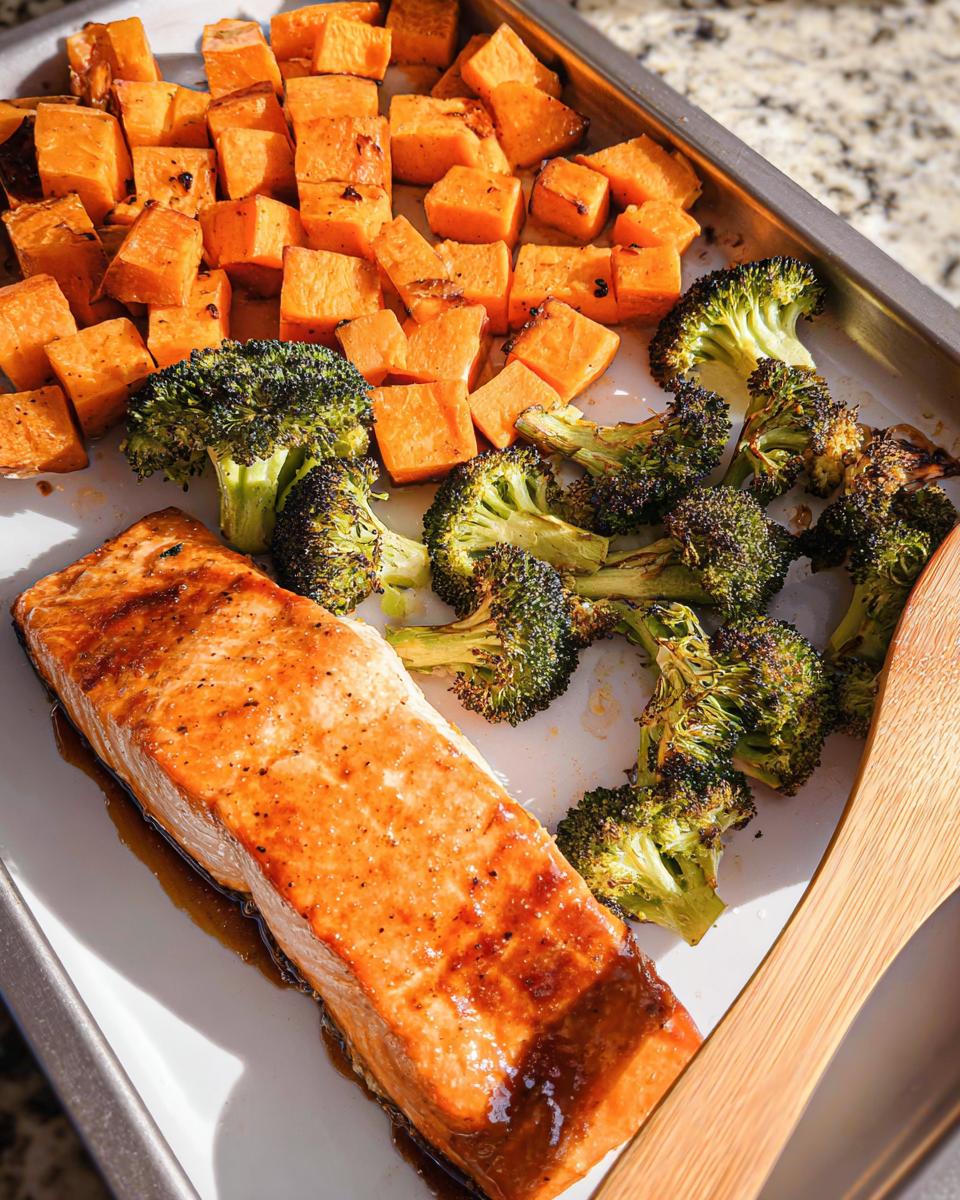
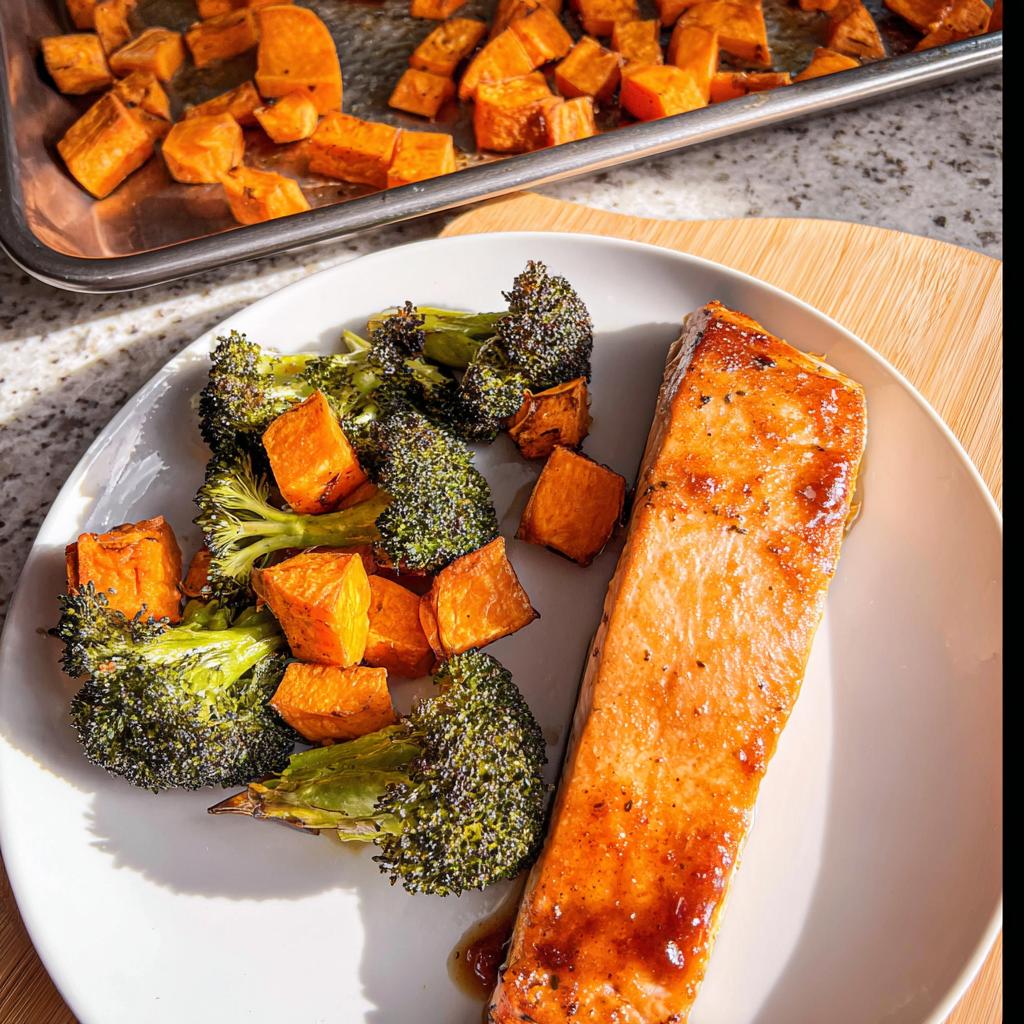
When the 20 minutes are up, pull that roasting pan out briefly. You’ll push those veggies over to the sides, making little clear spots in the center. Now, brush that beautiful maple dijon glaze generously right over the top of each salmon fillet. Slide it all back into the oven. Cook for another 12 to 15 minutes. If you like it medium-rare—and honestly, you should, it’s so flaky—pull it when the internal temp hits 125 degrees Fahrenheit. For well done, aim for 145 degrees. That’s it! Dinner is served!
Tips for a Perfect Maple Dijon Salmon Sheet Pan Dinner
Look, even with the best recipe, sometimes things can go a little sideways in a hot oven. But I’ve tested this Maple Dijon Salmon Sheet Pan Dinner way too many times to let you run into those little hiccups! A few tweaks here and there, especially with temperature and space, make the difference between an okay piece of fish and truly phenomenal, flavorful results.
Achieving the Best Sheet Pan Salmon Texture
The most important texture tip I have is about the fish itself. If you can get salmon with the skin left on, I highly recommend it! The skin acts like a built-in shield, stopping the bottom of the fillet from getting soggy while the beautiful crispy outside and juicy inside develops up top. If you trim the skin off, just make absolutely sure you pat those fillets bone dry before you brush on that glaze. Moisture is the enemy of a good sear, even on a sheet pan!
Don’t forget that high heat! That 425°F blast we use for the initial vegetable roast is vital. It gets the potatoes started quickly and helps that glaze start to set up instead of just sliding off the fish later on. Keep that oven hot!
Vegetable Substitutions for Your Veggie and Salmon Tray
If sweet potatoes or broccoli aren’t your jam this week, don’t panic! This recipe is fantastic because it loves almost any sturdy vegetable you throw at it. I frequently swap in Brussels sprouts halved, or maybe some trimmed asparagus added in the last 10 minutes of cooking.
Cauliflower florets are another winner for this veggie and salmon tray. Now, here is my major rule: If you use harder vegetables, like potatoes, they go in first. If you use softer, quick-cooking things like asparagus or zucchini, wait until the last 10 or 12 minutes so they don’t turn to complete mush while the salmon finishes baking.
And please, whatever you do, don’t overlap them! Give everything a little breathing room on that pan. If the veggies are piled up, they steam instead of roast, and steamed sweet potatoes are just sad.
Storage and Reheating Your Maple Dijon Salmon
I absolutely love making an extra batch of this Maple Dijon Salmon Sheet Pan Dinner because it is genuinely fantastic as leftovers! It really proves its worth as a meal prep superstar. If you’ve got bits left over from dinner—maybe an extra salmon fillet or some perfectly roasted sweet potatoes—the storage is super simple.
Just pop everything into an airtight container. Keep that container tucked away in the refrigerator, and it should stay absolutely delicious for about 3 to 4 days. I usually pack the salmon separately from the veggies sometimes, just to keep textures distinct, but honestly, they generally travel fine together.
Microwave vs. Sheet Pan Reheating
When you’re ready to eat those leftovers, you have two great options, depending on how much time you have. If you’re starving and need it now, the microwave is your friend! Just reheat those portions in short bursts—I mean 30-second intervals max—and check it each time. That way, you don’t end up with rubbery salmon, which is just the worst.
For the absolute *best* texture, though, especially to crisp up the edges of those roasted vegetables again, pull out a clean sheet tray—maybe line it with foil so cleanup is easy this second time around!
Spread your leftovers out gently on that tray. Then, you want to warm it up low and slow. Set the oven to about 275 degrees Fahrenheit and let it warm through for about 15 minutes. That lower temperature warms everything evenly and really wakes up the flavors in that maple dijon glaze without drying out the fish! It’s like getting a little taste of dinner all over again.
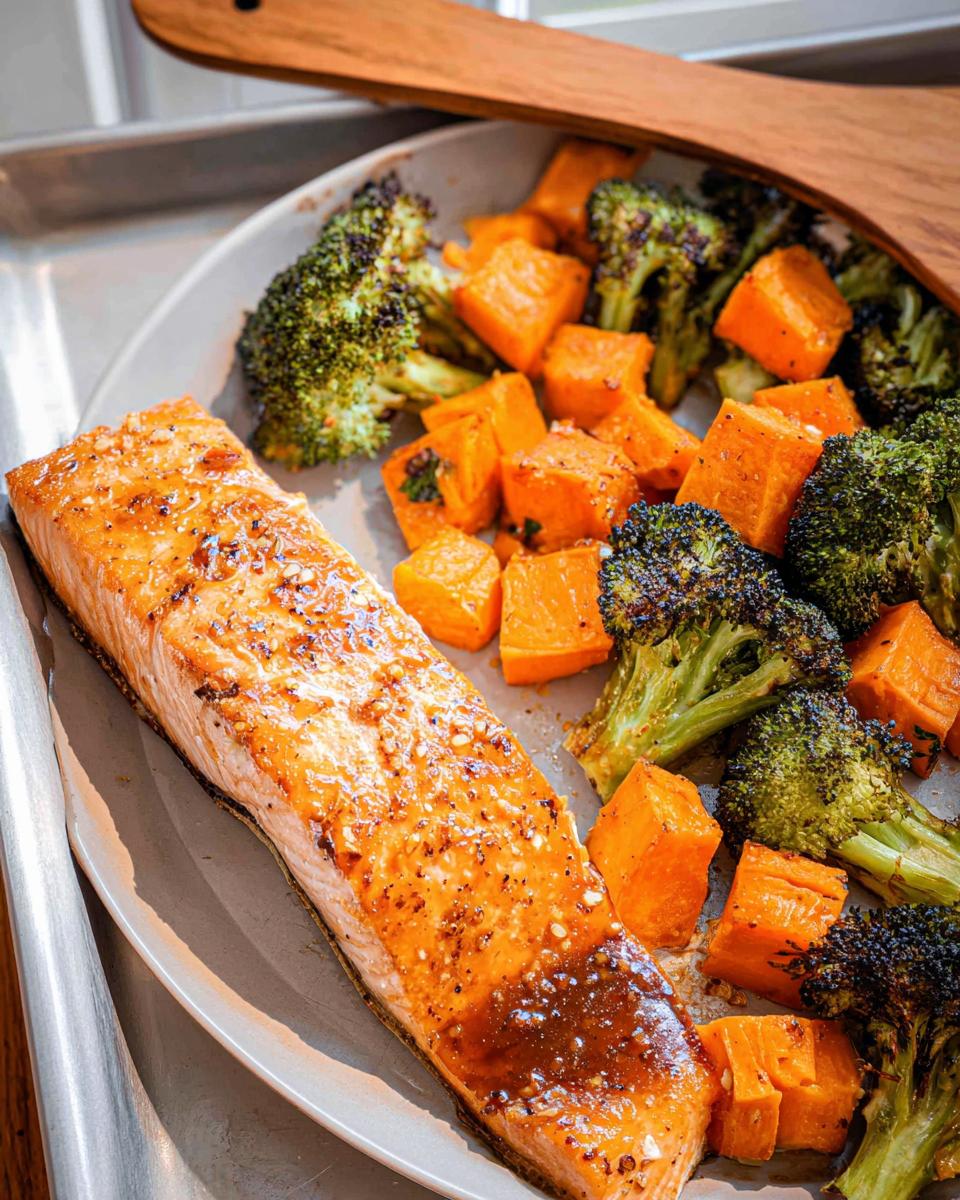
Frequently Asked Questions About Maple Dijon Glaze
I get so many great questions after people try making this dinner for the first time! It seems the glaze is either foolproof or people want to tweak it, which I totally understand. Here are the most common things folks ask me right after they finish their first perfect sheet pan salmon meal.
Can I make the maple dijon glaze ahead of time?
Yes, you absolutely can! I often whip up a double batch of the maple dijon glaze when I’m already making dinner, just so I have it ready for an emergency meal later in the week. Whisk it all together—the mustard, maple, garlic, and thyme—and store it in a tightly sealed jar in the fridge. The only thing you might notice is that the Dijon can sometimes thicken up a little when chilled. If that happens, just let the jar sit on the counter for about 15 minutes before you use it, or stir in just a tiny splash of water or apple cider vinegar to loosen it back up for brushing!
Is this Maple Dijon Salmon Sheet Pan Dinner Keto-friendly?
That’s a super important question, especially since I love exploring keto options! As written, with the small amount of real maple syrup used (only 1.5 tablespoons for four servings), this recipe is already quite low in sugar and fits well into many flexible keto lifestyles. However, if you are on a very strict keto plan, you might want to swap that maple syrup out. I recommend using a zero-carb liquid sweetener substitute like monk fruit or allulose, or even just bumping up the apple cider vinegar slightly and adding a touch of sugar-free honey substitute to get that sticky texture without the sugar hit. The Dijon and spices are perfectly fine, of course!
What if I don’t have sweet potatoes for my veggie and salmon tray?
The beauty of this veggie and salmon tray is its adaptability! If you don’t have sweet potatoes on hand, you have so many great options. You can use regular white potatoes, but you’ll want to cube them smaller, maybe 3/4 inch, since they take a little longer to soften than sweet potatoes. If you are looking for something faster to roast, try small wedges of butternut squash or even cubed turnips or parsnips if you have those around. Remember the golden rule though: keep the veggie sizes consistent so they all finish roasting at the same time!
Estimated Nutrition for the Maple Dijon Salmon Sheet Pan Dinner
I always get excited when I see the final nutrition panel for this recipe because it proves you truly don’t have to sacrifice health for speed. This Maple Dijon Salmon Sheet Pan Dinner manages to pack a serious protein punch while keeping those healthy fats balanced, which is exactly what I look for in a go-to dinner.
Now, remember my golden rule about recipes: these numbers are estimates based on the specific brands I usually keep stocked—like using pure maple syrup and not overloading on the oil rinse. If you decide to use a fattier cut of salmon or swap out your apple cider vinegar for a different type of oil, things might shift a little. That’s just the reality of home cooking, isn’t it?
But generally speaking, for one of the four perfectly sized servings we get from this recipe, here is what you can expect, based on my calculations. I always make sure to look at the protein count—it’s fantastic for keeping you full!
- Calories: 452
- Protein: 38 grams
- Fat: 18 grams
- Carbohydrates: 33 grams (with about 6 grams coming from fiber!)
See? High protein, reasonable fat, and enough carbs from nutrient-dense sweet potatoes to keep you going without feeling weighted down. It’s a wonderful, calorie-smart way to approach your weekly meals. Enjoy knowing you’re eating something delicious and good for you all at once!
Share Your Maple Dijon Salmon Sheet Pan Dinner Experience
Now that you’ve got the lowdown on making this incredible Maple Dijon Salmon Sheet Pan Dinner—from prepping the veggies to nailing that glaze—I really want to hear from you! I spend so much time testing these recipes to make sure they work perfectly for busy folks like us, and your feedback is what keeps this whole kitchen buzzing.
Did you stick exactly to the recipe, or did you try swapping out the broccoli for, say, asparagus? I’m dying to know what kind of successful variations you came up with for your own kitchen adventures!
Please, do me a huge favor: once you’ve tried this recipe, come right back here and give it a rating. Use the star system below—is it a solid five stars, or did something need a little tweaking for your palate? Don’t be shy about sharing your triumphs (or even your little kitchen mishaps so others can learn!).
And if you snapped a photo of that glittering sheet pan salmon looking all gorgeous and caramelized, tag me on social media! Seeing your beautiful creations out in the wild makes my day. I can’t wait to see what you think!
Maple Dijon Salmon Sheet Pan Dinner
Ingredients
Equipment
Method
- Preheat the oven to 425 degrees Fahrenheit.
- Place the cut vegetables and olive oil in a large bowl. Season them with salt and pepper. Toss to coat evenly, then place on a sheet pan.
- Roast the vegetables in the preheated oven for 20 minutes.
- While the vegetables roast, pat the salmon dry and season it with kosher salt and pepper. Remove the skin if you prefer.
- Mix the Dijon mustard, maple syrup, vinegar, minced garlic, thyme, and cayenne (if using) in a small bowl to create the glaze.
- Remove the vegetables from the oven. Push the vegetables to the edge of the sheet pan, making spaces for each salmon fillet. Brush the Dijon and maple syrup mixture over the salmon.
- Return the sheet pan to the oven. Cook for 12 to 15 minutes for medium-rare salmon (125 degrees Fahrenheit internal temperature) or 15 to 18 minutes for medium to well-done salmon (145 degrees Fahrenheit or more internal temperature).
- Taste for seasoning, adding more salt and pepper if needed, and serve the dish.
Nutrition
Notes
Tried this recipe?
Let us know how it was!