
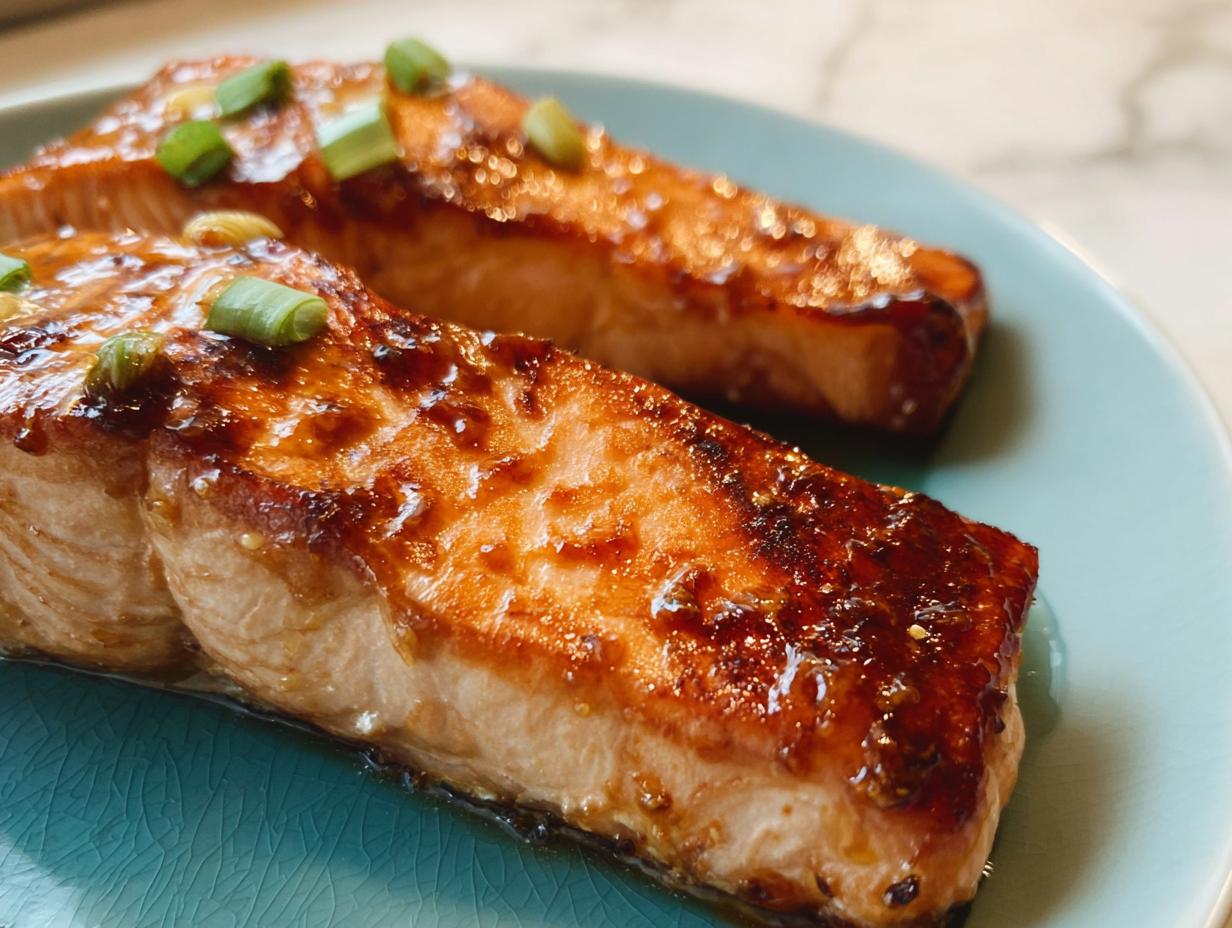
If your weeknight needs a serious flavor boost that takes less than 20 minutes, I have the perfect answer for you! Forget boring dinners; we are diving headfirst into serious savory satisfaction. This intensely flavorful Miso Glazed Broiled Salmon is the ultimate quick win—it’s sticky, sweet, salty, and absolutely packed with that deep, wonderful umami flavor we all crave.
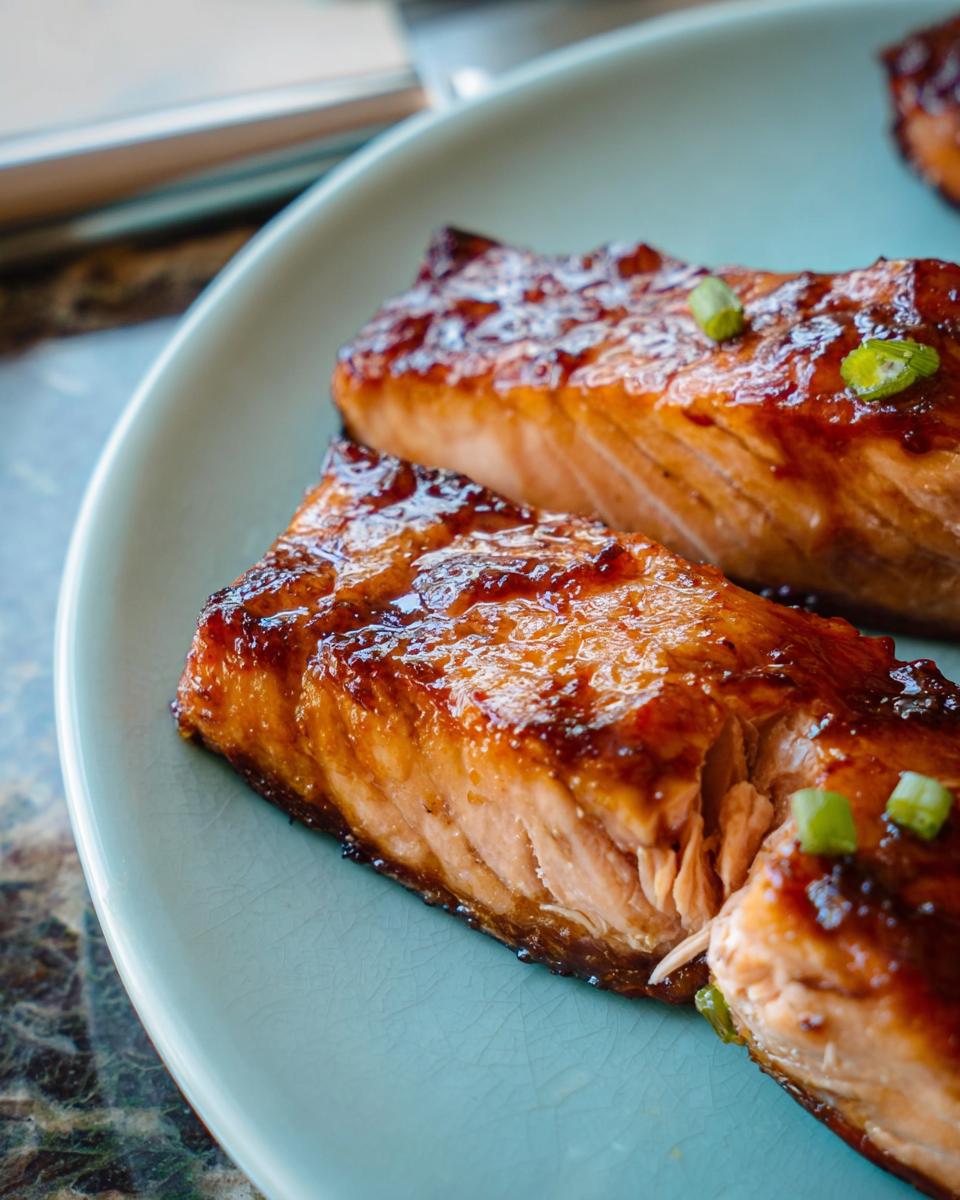
The first time I tasted this dish was at a friend’s gathering. I watched her joyfully drizzle this glossy miso mixture over thick salmon fillets before broiling them. Wow! The aroma alone was incredible. That richness absolutely blew me away and started my personal quest to recreate it. I even throw in some foraged greens sometimes, keeping things hyperlocal! This recipe is proof you don’t need hours to make something truly memorable. Since speedy meals are my specialty, you can trust this method works. If you’re looking for more lightning-fast meals, check out my guide to dinner ideas in 20 minutes when you finish reading!
Why This Miso Glazed Broiled Salmon Recipe Works for You
I know you’re busy. Who has time for fussy meals on a Tuesday night? That’s why I developed this specific method. It’s fast, totally nutritious, and it delivers unbelievable restaurant-quality taste!
- It’s incredibly speedy: Prep is 10 minutes, cook time is 10 minutes. You’re eating in 20 flat!
- It’s packed with healthy fats from the salmon, making it a fantastic choice for wellness goals.
- The flavor is intense! That salty-sweet glaze makes this one of my favorite go-to 5-ingredient dinner ideas, even though we use a few more ingredients for the glaze itself.
This recipe proves that satisfying, vibrant Japanese inspired dinners are totally doable on any weeknight.
Essential Ingredients for Perfect Miso Glazed Broiled Salmon
When we talk about getting that perfect flavor profile, it all comes down to what goes into that amazing glaze. Don’t even think about swapping out the specific ingredients I listed here—they are the backbone of that incredible umami experience. Trust me on this one; the quality counts!
For the Miso Glaze
You need to make sure you have all these flavor agents whisked up perfectly:
- 2 tablespoons of good red miso paste—this gives us that deep, earthy color and flavor!
- 1 tablespoon of maple syrup. This is where the sticky sweetness comes from.
- 2 teaspoons of tamari or dark soy sauce.
- 2 teaspoons of rice vinegar—just a tiny bit to brighten things up.
- 1 teaspoon of hot chili sauce, like Sriracha, for that little kick I love.
For the Salmon
For the main event, the salmon itself needs a little attention so it cooks evenly under that hot broiler:
- 4 skinless salmon fillets. I always look for fillets that are roughly 6 ounces each and critically, about 1 1/4 inches thick. Thick fillets help prevent overcooking.
That’s it! See how simple that is? We aren’t measuring flour or eggs here; we are measuring pure flavor bombs for truly Japanese inspired dinners.
Step-by-Step Instructions for Miso Glazed Broiled Salmon
Okay, this is where the real magic happens, and it happens fast! Because broilers cook so aggressively, you need to have everything ready to go before you even turn the heat on. We’re aiming for that beautiful caramelized top without turning the inside into fish jerky. Pay attention to these steps, and you’ll have the most incredibly quick broiled fish you’ve ever made.
Preparing the Broiler and Baking Sheet
First things first: your broiler needs to get hot! Preheat it right away. And here’s my little secret for cleanup—always line your baking sheet with heavy-duty foil. It catches all those wonderful, bubbly drips so you don’t spend time scrubbing baked-on glaze later. Remember to position your oven rack about six inches away from the heat source. Too close, and we burn; too far, and we just steam the fish!
Mixing the Umami Rich Miso Glaze
While the broiler is warming up (which feels like forever, I know!), grab that small bowl. Whisk the red miso paste, maple syrup, tamari, rice vinegar, and your chili sauce together. You really need to work at this until it’s completely smooth. If you have little lumps of miso, they won’t spread right, and then you’ll end up with hotspots of saltiness. We are making umami rich meals here, and smoothness is key to a uniform flavor application. If you want to see how a real pro handles this, Jacques Pépin has a great method you can check out over at Jacques Pépin’s broiled salmon with miso glaze.
Glazing and Broiling the Miso Glazed Broiled Salmon
Take your salmon fillets and pat them bone dry with a paper towel. Seriously, dry skin and dry flesh mean the glaze sticks better! Spoon that incredible mixture over the tops of the fish, coating them edge to edge. Now, slide that pan under the broiler. Set a timer for 8 minutes and stick around! Broilers are wild cards. After 8 minutes, check it—the glaze should be bubbly and caramelized, and the salmon should flake easily when you gently test it with a fork. If it needs another minute or two, give it that time, but watch it like a hawk! This is the crucial step for perfect Miso Glazed Broiled Salmon. For more guidance on fool-proof stovetop meals, take a look at this piece on how to make dinner ideas foolproof.
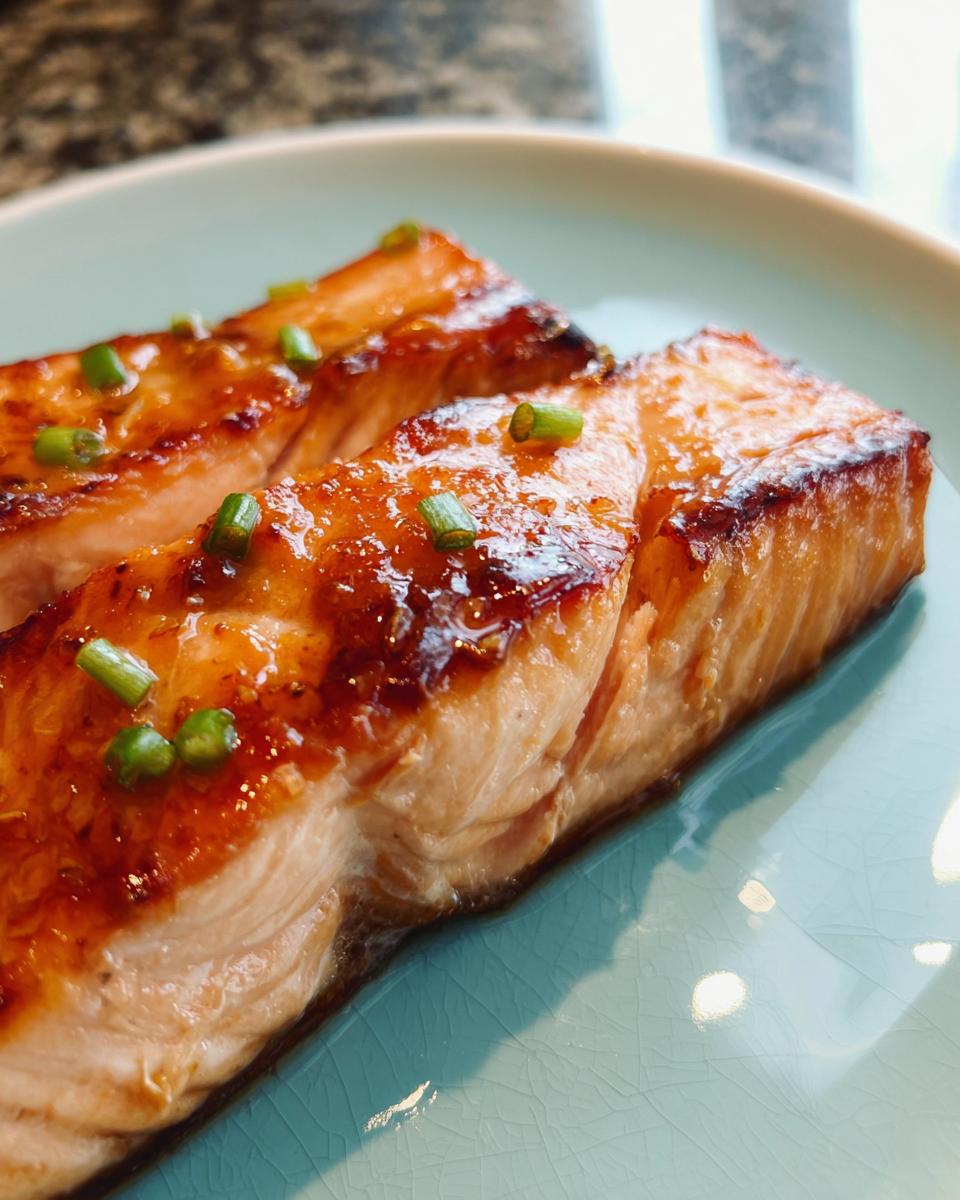
Expert Tips for the Best Miso Glazed Broiled Salmon
Even though this dish is super quick, nailing the flavor balance is what takes it from ‘good’ to ‘I need to make this every week.’ Because I love foraging for interesting ingredients around the city, I’ve had to adapt these classic flavors using what I have on hand, and it’s taught me a lot about the glaze itself. Pay attention to the miso choice; it’s non-negotiable for the best results!
If you’re after that perfect crispy-yet-tender texture that I rave about in my best dinner ideas, these tips will save your salmon from turning into a dry disk!
Choosing the Right Miso Paste for Your Miso Salmon Recipe
This is where many people go wrong when trying my miso salmon recipe. The depth of flavor comes directly from the paste you choose. Miso paste comes in a few main shades. White miso is super mild and slightly sweet—great for lighter soups but might get lost under the broiler.
Yellow miso is a nice middle ground. But for this glaze, you absolutely want red miso paste. Red miso is fermented longer, which gives it a much deeper, saltier, and more robust umami punch. It stands up to the maple syrup beautifully and caramelizes into that gorgeous mahogany color we are looking for. If all you have is white, you might want to slightly increase the tamari to compensate for the flavor difference, but red is definitely the champion here.
Controlling Caramelization Under the Broiler
The maple syrup in the glaze is fantastic for flavor, but it’s also sugar, which means it burns easily under intense heat. That is why rack placement is non-negotiable! I stressed putting the rack six inches away from the heat, but if your broiler runs hotter than normal—and trust me, some do—you might even need to bump it up to seven inches for the first half of cooking.
You need to check it every two minutes after the initial 6 minutes of cooking. If you see areas of the glaze turning black instead of deep brown, quickly pull the tray out, turn the heat down one notch if you can, or simply rotate the pan! We want bubbly and dark, not charcoal. It’s a constant dance between cooking the thick salmon through and letting the sugars kiss the heat.
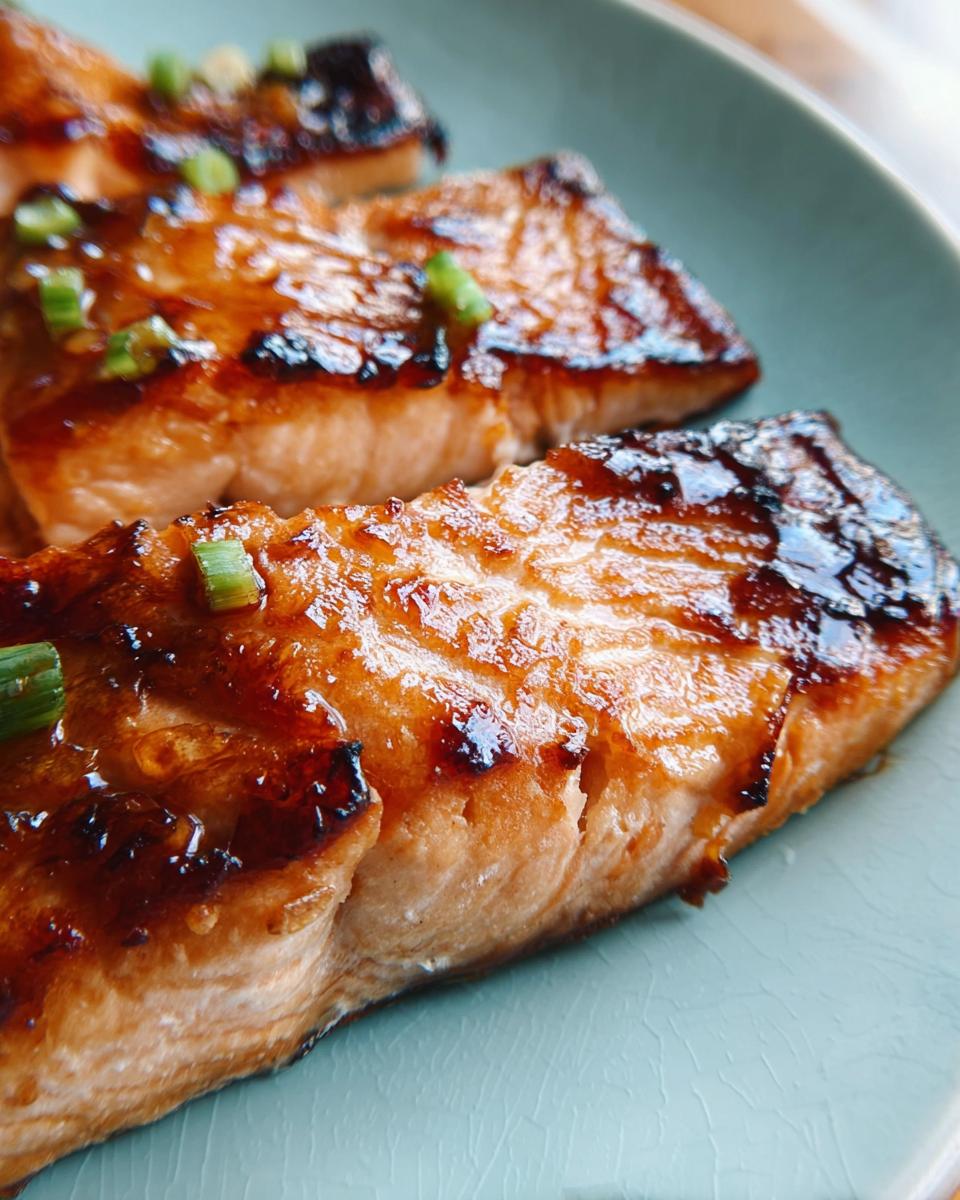
Serving Suggestions for Japanese Inspired Dinners
So, you have this incredible, flavorful, glossy salmon. Fantastic! Now what goes with it? Because the glaze is so rich and full of salty-sweet complexity, the sides need to be light enough to balance that flavor without fighting it. We’re aiming for harmony here—pretty essential when pulling together beautiful Japanese inspired dinners.
My immediate instinct, honestly, is always to serve this over a bed of perfectly sticky, warm white rice so it can soak up any extra glaze that might drip onto the plate. But rice is just the starting point! If you want something a little lighter, I often pivot toward something green and tender. You can check out some of my favorite base ideas for salmon bowls using rice or greens.
Here are the sides I come back to time and time again when serving this miso salmon:
- Simple Steamed Edamame: They are healthy, slightly crunchy, and add a lovely pop of green color to the plate. Just steam them and sprinkle with a touch of sea salt. Easy!
- Quick Blanched Greens: Think broccoli florets or bok choy. Blanch them quickly—maybe 90 seconds in boiling water—and then hit them with a splash of sesame oil and maybe a tiny drizzle of that leftover glaze. They stay tender-crisp, which is the best texture for cutting through the richness of the fish.
- Pickled Radishes or Ginger: If you want to really nail that authentic bright flavor contrast, a small side of simple refrigerator pickles works wonders. The acidity cuts straight through the fat of the salmon.
Keep the vegetable heavy but the prep light. This salmon is the star, and every side dish should just play a supporting role to make the miso shine!
Storage and Reheating: Keeping Your Miso Glazed Broiled Salmon Fresh
Listen, I know leftovers happen, even when something tastes this good! You absolutely want to save this delicious salmon because the flavors actually seem to deepen overnight—it’s wild how the sweet umami just settles in.
When you’re wrapping up, make sure you let the salmon cool down completely before you try to store it. Don’t leave it sitting out at room temperature for too long, though; we want to keep food poisoning out of our kitchen just as much as we want to avoid dry fish!
You can safely store your leftovers in an airtight container in the refrigerator for about two to three days. That gives you a couple of lunch options later in the week. If you’re looking for more meal prep ideas that last well, I have some great tips on sheet pan salmon and veggies that store like a dream.
Now, reheating is where you need to be gentle. Broiling or microwaving that rich glaze again is just asking for tough, dry fish, and nobody wants that after all that effort!
Here are the two gentle methods I use to bring this Miso Glazed Broiled Salmon back to life:
- The Low and Slow Oven Reheat: This is my absolute favorite way. Preheat your oven to a very low temperature—think 275°F (about 135°C). Place the leftover salmon in a small, oven-safe dish. You can add just a tiny splash of water or broth to the bottom of the dish before you cover it tightly with foil. The steam inside will keep the fish moist while it gently warms through. This usually takes 10 to 15 minutes, depending on the thickness of your fillet.
- The Steamer Basket Trick: If you have a steamer basket over boiling water, use it! Place the salmon on the steamer rack and cover. The damp, gentle heat works wonders for rehydrating the fish without scorching that beautiful miso glaze. This is fast, usually only five to seven minutes, and it keeps the texture velvety smooth.
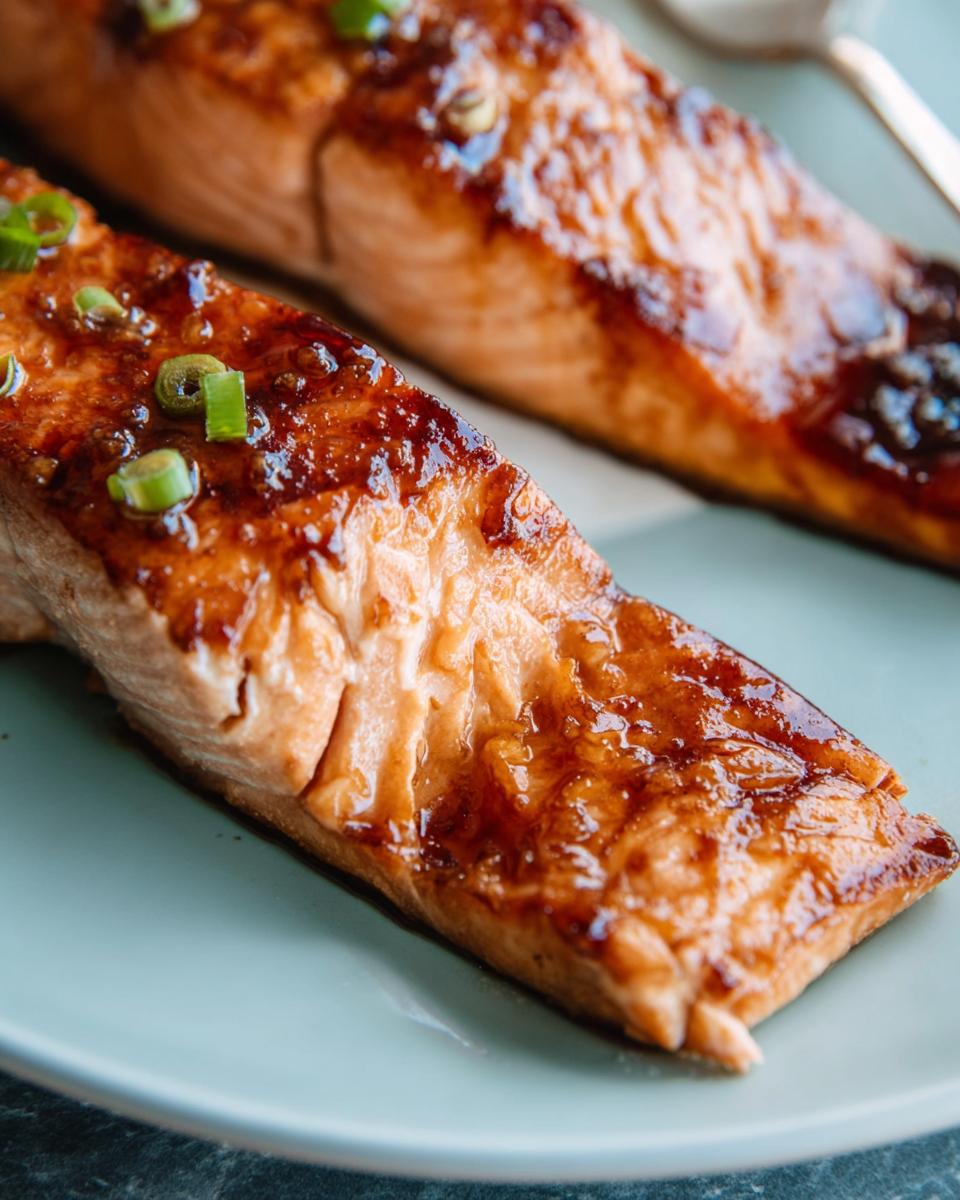
See? You don’t have to sacrifice quality just because it’s leftover! A gentle reheat ensures you still get that fantastic balance of sweet and savory from your umami rich meals later in the week.
Frequently Asked Questions About Miso Glazed Broiled Salmon
Look, cooking always brings up questions, right? Even when following a straightforward recipe like this, you might wonder about substitutions or what to do if your appliance is being stubborn. I’ve collected the most common things people ask me about making this salmon so you can conquer your kitchen with total confidence. If you’re diving deep into meal planning, you should also look at my tips for the ultimate dinner ideas guide for more general cooking knowledge!
Can I use white miso instead of red miso in this miso salmon recipe?
You certainly can, but you need to know what you’re getting into! The flavor profile definitely shifts for your miso salmon recipe. Red miso paste, which I insist on for this version, is aged longer, so it’s saltier and has a richer, deeper flavor that stands up beautifully to the broiling heat. White miso paste is much milder, tastes sweeter, and has a shorter fermentation time. If you swap to white miso, your glaze will be softer, less intensely savory, and you might want to add an extra teaspoon of tamari or soy sauce just to boost that savory punch it naturally has.
What if I do not have a broiler? Can I still make this quick broiled fish?
Oh, that happens all the time—oven quirks! If you don’t have a broiler, or yours is just too weak, don’t worry. We can adapt this to be a fantastic baked dish, keeping the ‘quick’ spirit alive. Instead of broiling, you’ll preheat your oven to 400°F (200°C). Place the glazed salmon on the baking sheet and bake for about 12 to 15 minutes, depending on thickness. You won’t get that intense char right on top, but you will still cook through beautifully. To try and mimic that char, you can switch to the ‘Bake’ setting for the last two minutes, but keep a very close eye on it! This is still a great way to make this quick broiled fish at home.
How can I make this recipe suitable for low-carb or keto diets?
That is a brilliant question, especially since we use maple syrup in the glaze! Maple syrup is pure sugar, so it definitely throws off strict keto tracking. If you need this to be truly low-carb, the easiest fix is swapping out the maple syrup. Instead of 1 tablespoon of maple syrup, use a high-quality liquid sweetener like monk fruit syrup or allulose. You might only need about 2 teaspoons to start, as artificial sweeteners can sometimes be much sweeter than sugar. Just whisk that in with the rest of the glaze ingredients, and you’ll keep the sticky texture and sweetness without the carbs. The rest of the ingredients—miso, soy sauce, vinegar, chili sauce, and salmon—are already perfect for low-carb eating!
Estimated Nutritional Information for Miso Glazed Broiled Salmon
Now, I know a lot of you cook with specific health goals in mind, and it’s always smart to have an idea of what’s on your plate. Salmon is naturally fantastic for you—tons of those amazing Omega-3s! When we talk about the nutritional breakdown for this Miso Glazed Broiled Salmon, I always have to give a little disclaimer.
The exact numbers can swing wildly depending on two things: the thickness of your fillet and, crucially, which brand of red miso paste you grab off the shelf. Some miso pastes are naturally higher in sodium than others, and that affects things!
The values I list below are just estimates based on standard portion sizes for a single fillet, but please treat this as a starting point only. If you are meticulous about tracking points or macros, I highly recommend plugging in your specific product measurements into your favorite nutrition app for the most accurate data. This recipe lets us enjoy incredible flavor while still loading up on that wonderful protein!
Share Your Umami Rich Meals Experience
Alright, bakers—or should I say, I mean fish-masters—I’ve shared all my secrets for getting that perfect sweet and savory crust on the salmon. Now it’s your turn! This community wouldn’t be the same without hearing about your kitchen adventures.
Did you try it out last night? Did your kids love it, or did they stick their noses up at the “weird brown sauce?” Tell me everything! I genuinely want to know how your Miso Glazed Broiled Salmon turned out. Did you find a better pairing for your side dish? Did you manage to get that beautiful caramelization?
Please jump down into the comments below and let me know. A quick star rating helps other readers decide if they should jump into making this umami rich meal too. If you’re feeling brave, snap a quick picture of your gorgeous fillets and tag me on social media! I love seeing my recipes brought to life in different kitchens. Sharing is caring, and it helps keep this blog going!
If you need to send me something private, or if you have big feedback, you can always reach out directly through my contact page, but I really prefer when we chat right here about the food!
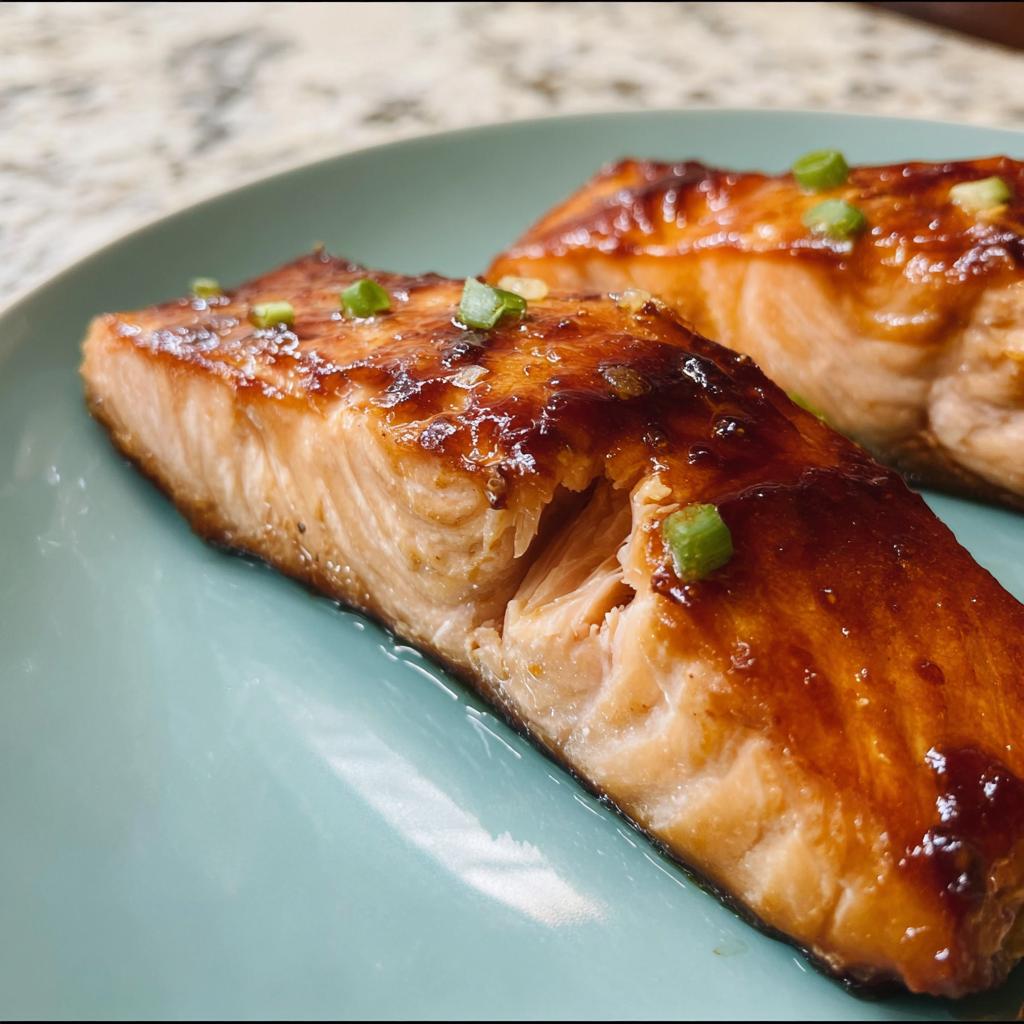
Miso Glazed Broiled Salmon
Ingredients
Equipment
Method
- Preheat your broiler and position an oven rack about 6 inches from the heat source. Line a baking sheet with foil for easier cleanup.
- In a small bowl, whisk together the red miso paste, maple syrup, tamari or soy sauce, rice vinegar, and chili sauce until the mixture is smooth.
- Pat the salmon fillets dry with a paper towel. Place them on the prepared baking sheet.
- Spoon or brush the miso glaze evenly over the top surface of each salmon fillet.
- Place the baking sheet under the broiler. Broil for 8 to 10 minutes. Watch the fish closely, as broilers vary; the glaze should be bubbly and slightly caramelized, and the salmon should flake easily when tested with a fork.
- Remove the salmon from the oven. Serve immediately with your preferred side dishes.
Notes
Tried this recipe?
Let us know how it was!
Urban Forager & Hyperlocal Ingredient Specialist
My Brooklyn apartment balcony tells my story: vertical gardens packed with wild edibles, fermentation crocks bubbling with city-foraged greens, and the constant hum of dehydrators preserving herbs I’ve collected from unexpected urban corners. What started as weekend escapes to my aunt’s upstate farm during my Columbia botany studies turned into something bigger after I earned my Urban Ecology Master’s from The New School.
Instead of following traditional academic paths, I discovered that cities are actually amazing edible ecosystems—rooftop weeds, park-edge wild greens, vacant lot treasures that perfectly complement keto eating. Who knew that some of the best low-carb foods were growing right under our noses in Manhattan?
My recipe collections celebrate city seasons: spring dandelions and plantains, summer purslane from rooftops, autumn rose hips from community gardens, winter wild onions and cress. I’m certified through the New York Mycological Society and trained by Brooklyn Botanic Garden to forage safely and ethically. Over 180 of my recipes feature at least one urban-foraged ingredient—from sidewalk plantains to sumac berries and wild mint thriving in vacant lots.
My “Metropolitan Wild” column went viral after my dandelion coffee substitute hit social media. Now my weekend “Urban Wild Walks” through Central Park and Prospect Park sell out faster than I can schedule them. I teach city dwellers to spot safe, keto-friendly wild foods hiding in plain sight.
Currently, I’m partnering with local chefs to bring urban foraged elements to restaurant menus and developing an app that maps safe foraging spots across all five boroughs. Evenings find me tending my sourdough starters, pressing flowers for natural dyes, or weaving baskets from willow branches I collect during park maintenance.
Cities are wild food sanctuaries hiding in plain sight—keto eating becomes urban rebellion when you realize how much free, perfect nutrition grows right under our feet.