
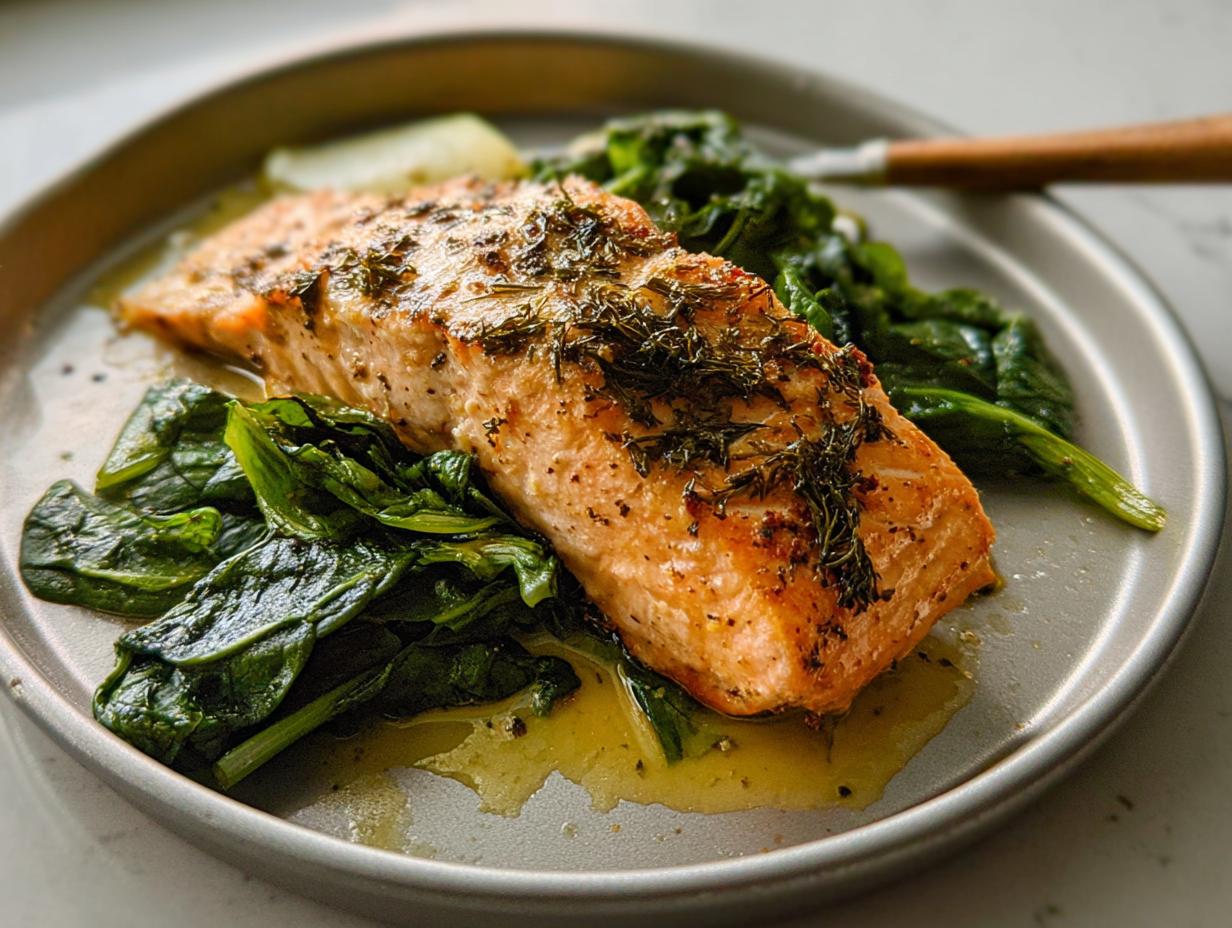
Oh, the weeknight dinner grind! Some days, after fighting off the city traffic and just trying to catch my breath, the idea of standing over the stove feels like climbing a mountain. You want something genuinely good, something that doesn’t taste like emergency rations, but you only have about thirty minutes before hunger takes over. That’s exactly how I felt that rainy Tuesday evening. I was coming back from foraging for herbs, totally beat, and needed something effortless yet totally delicious. I ended up throwing together some salmon with a homemade glaze—my first attempt at the Maple Dijon Salmon Sheet Pan—alongside whatever greens were left. The aroma instantly lifted the gloom; it was pure magic! That’s when I knew this simple method was the answer for anyone tired of takeout menus but short on time. For more set-it-and-forget-it inspiration, check out my thoughts on sheet pan salmon and veggies; they really save the day!
Why This Maple Dijon Salmon Sheet Pan is Your New Weeknight Hero
Look, when you’re battling the evening rush, you don’t need extra drama. This Maple Dijon Salmon Sheet Pan is designed specifically for those nights when life moves too fast. It’s healthy, it tastes like you spent hours on it, and honestly, the cleanup is just heavenly. Seriously, you’ll wonder why you didn’t switch to sheet pan dinners sooner!
For more delicious, simple inspiration that fits right into your busy life, you’ll want to look at my collection of lightened-up dinner ideas.
Quick Prep and Cook Time
This is where this recipe truly shines for busy families. We’re talking 15 minutes of prep time—that’s faster than folding a load of laundry! And because everything roasts together, you only need 15 minutes in the oven. In half an hour, you have a fully balanced, healthy dinner ready to go. That’s efficiency at its best!
The Magic of Easy Cleanup
If you hate doing dishes, this is for you. Because this is a true Sheet Pan Dinner, everything gets cooked right there on one piece of parchment paper. You just toss the paper and any bowls afterward. No complicated saucepans, no scouring burnt bits off the bottom of a skillet. It’s my favorite trick for achieving instant Easy Cleanup after a long day.
Gathering Ingredients for Your Maple Dijon Salmon Sheet Pan
Okay, for any Sheet Pan Dinner to work its magic, the ingredients have to be good quality, especially when we are only cooking them for about 15 minutes. Since the flavors are concentrated during roasting, the mustard and the maple syrup really have to perform! I always try to splurge a little on real maple syrup; that fake stuff just doesn’t caramelize right, trust me.
Here’s exactly what you need to gather up for this incredible batch of Maple Dijon Salmon. I’ve broken it down so you don’t miss a single element for the glaze or the main event!
For the Maple Dijon Glaze
The glaze is where all the flavor explosion happens. Don’t skimp on the Dijon here, its sharpness is crucial to balancing out the sweetness of the maple, so use the good stuff!
- Dijon mustard: You’ll need 2 tablespoons.
- Maple syrup: Just 1 tablespoon for that beautiful caramelization.
- Freshly grated dill: 1/4 cup of finely chopped dill, and save a few sprigs for garnishing later!
- Extra-virgin olive oil: 1 tablespoon.
- Freshly ground black pepper: 1 teaspoon.
- Garlic cloves: 2, which you absolutely must grate finely right before mixing.
- Medium lemon: We need the zest, and then thinly slice it up—we use those slices under the fish!
For the Salmon and Greens
For your main protein, aim for four uniformly sized fillets so everything cooks evenly. If your salmon fillets are super thick, remember they might need an extra minute or two in the oven, but we’ll cover that later on!
- Skinless salmon fillets: 4 pieces, about 4 to 6 ounces each is perfect.
- Salt: Just to taste; we season these lightly before that incredible glaze goes on.
- Dry white wine: We use 1/2 cup—but if you aren’t cooking with wine, vermouth, sake, or even vegetable broth works just fine as the liquid base on the pan!
- Spinach or Swiss chard: 2 medium bunches, or about a full pound of greens, stems removed and roughly torn.
- Extra-virgin olive oil: Just 1 tablespoon reserved for drizzling over those greens before baking.
Essential Equipment for the Maple Dijon Salmon Sheet Pan
When we talk about making this an easy weeknight win, the equipment list has to be short—and thankfully, it is! You probably already have everything you need hanging out in your kitchen drawers right now. Seriously, the fewer things you have out, the less you have to wash up when you’re done enjoying this amazing Maple Dijon Salmon!
You won’t need anything complicated, which is part of why this whole process feels so seamless. Here is the small assembly of tools required to pull off this masterpiece:
- Your trusty Oven, preheated and ready to go.
- A standard Sheet pan. A rimmed one is best so that lovely wine/broth doesn’t escape!
- A Small bowl dedicated entirely to whisking up that delicious glaze.
- A Fine grater—you need this specifically for making sure that garlic disappears completely into the sauce!
Step-by-Step Instructions for the Maple Dijon Salmon Sheet Pan
This is the best part because it happens so fast! When I first made this recipe, I was amazed at how quickly the flavors built up once the heat hit them. Remember, we are aiming for a total cook time of only 12 to 15 minutes, so make sure you have everything ready to go before you switch the oven on. If you’ve ever worried about cooking salmon straight from frozen, I’ve got some tips on how to handle that too, though fresh is always best for this high-heat roast!
Preparation and Glaze Mixing
First things first, we need the oven cranked up. Preheat your oven to 400 degrees F (200 degrees C). Make sure that rack is right in the center—we want that heat directed evenly across the whole pan.
Now for the flavor bomb! Grab that small bowl. Whisk together the Dijon mustard, the maple syrup, that beautifully chopped dill, 1 tablespoon of olive oil, and the black pepper. This is a moment for focus: grate those 2 garlic cloves and the zest from your lemon directly into the bowl. Yes, grate it right in! That releases the essential oils perfectly. Stir it all up until it’s cohesive. Thinly slice the lemon into 8 rounds, remove any seeds, and arrange them in pairs on a sheet pan. For more ideas on mustard-based recipes, I came across a great technique over at the New York Times for mustardy sheet-pan salmon!
Assembling and Baking the Maple Dijon Salmon Sheet Pan
Take your salmon fillets and pat them completely dry with a paper towel. Seriously, dry skin or dry flesh means better caramelization. Just a light sprinkle of salt goes on them now. Place each fillet on top of its little lemon bed on the sheet pan.

Take the mustard mixture and spread it lovingly over the top and sides of every piece of salmon. Don’t be shy! Now for the crucial liquid element: carefully pour that 1/2 cup of white wine—or broth if you skipped the wine—into the empty spaces on the sheet pan. This creates steam and keeps the greens from scorching before the fish is done.
Finally, take your torn spinach or Swiss chard and arrange it artfully around the salmon. Give those greens a drizzle of that last remaining 1 tablespoon of olive oil and a tiny pinch of salt. Pop the whole thing into the hot oven. Bake for 12 to 15 minutes. You’ll know it’s done when the greens have wilted down beautifully and the salmon flakes apart easily when you test it with a fork. If your fillets happen to be really thick, say over an inch, you might need a couple of extra minutes, but always check that center for flakiness! If you need to check on timing for different scenarios, I’ve got some info on baking salmon that might help!
Tips for a Perfect Maple Dijon Salmon Sheet Pan
Even with a foolproof Sheet Pan Dinner like this, a couple of tiny tweaks can elevate it from good to absolutely fantastic. Because we are using fresh spinach which cooks down so quickly, we have to be mindful of the heat interaction between the fish and the greens. My goal is always perfectly flaky salmon that hasn’t dried out, and greens that are wilted but not crispy!
If you’re planning on making this part of your regular rotation, keeping these small details in mind will ensure you nail that vibrant flavor every single time. And hey, if you love how this turns out, you can take those leftover components and turn them into amazing salmon bowls later in the week!
Handling Salmon Fillets
When you’re working with thinner fillets, say under 4 ounces, they can cook through really fast. If they look done but the greens aren’t quite wilted, just carefully move the salmon pieces off the pan and back into a foil packet on the side while the greens finish up. As the recipe notes suggest, if you get skin-on salmon, that’s totally fine! Roast it skin-side down. The skin acts as a protective barrier against the heat from the pan, which can help keep the flesh incredibly moist. You can just slide a spatula right underneath to lift it off the parchment after cooking, or eat it right off the skin if you like that extra bit of texture.
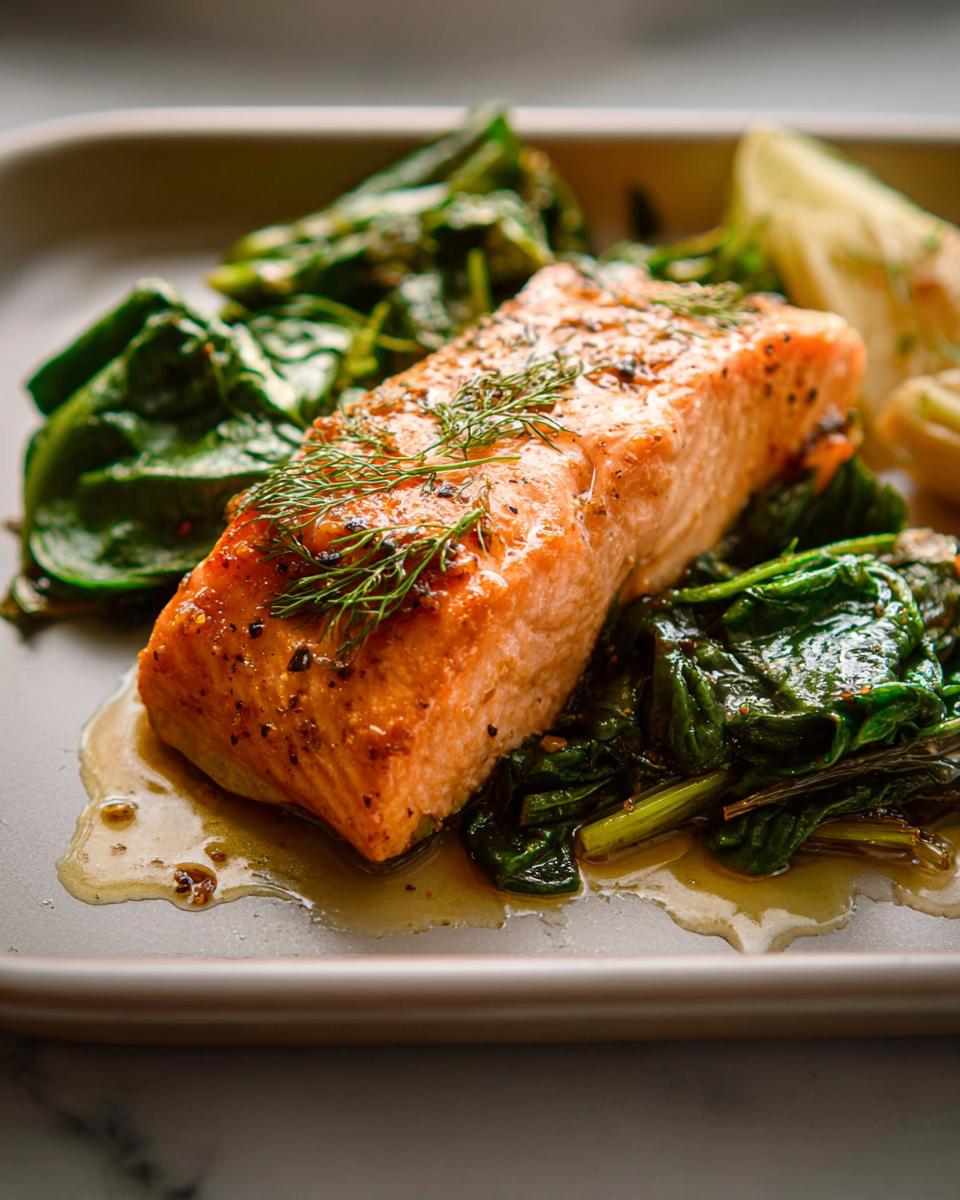
The most important thing for even cooking is thickness uniformity. Try to select fillets that are roughly the same size. If you have one huge piece and one tiny one, the thin one will be dry before the thick one is cooked through. A smart trick is to use a sharp knife to carefully trim the thickest part of the large fillet until it matches the thickness of the smallest one. It sounds fussy, but trust me, it guarantees every portion comes out perfect!
Remember that substitution tip? If you had to use vegetable broth instead of wine in the bottom of the pan—awesome choice for easy weeknight flexibility! Just make sure you season the broth slightly, as the wine brings a bit of acidity that helps balance the glaze flavor profile.
Serving Suggestions for Your Sheet Pan Dinner
So, you’ve got this absolutely stunning, perfectly glazed Maple Dijon Salmon sitting right there next to tender spinach, and you’re wondering, “What else does this amazing Sheet Pan Dinner need?” Because the glaze is rich with maple and sharp Dijon, you really want something simple underneath it all to soak up those glorious pan juices, right?
Since the goal here is speed and ease, we aren’t roasting potatoes for an hour! We want things that come together in the 15 minutes the salmon is baking, or better yet, things we can whip up ahead of time for faster weeknight serving. My kitchen motto is: never let a good pan sauce go to waste!
If you’re looking for something quick to pair with this, I have a fantastic recipe for garlic chili shrimp served over jasmine rice—and honestly, just using the rice component from that recipe makes a perfect base here. The softness of the rice is just divine under the sweet and tangy salmon.
Here are my must-have, low-effort pairings that truly complement the flavors:
- Fluffy Quinoa or Couscous: These cook incredibly quickly on the stovetop while the salmon is roasting. Quinoa offers a nice light chew, and couscous is almost instant! They are perfect little sponges for that residual maple Dijon moisture left on the sheet pan.
- Simple Lemon-Herb Salad: If you want a fresh crunch, skip the cooked carbs. Just finely chop up some parsley, toss it with a light vinaigrette made of lemon juice, olive oil, salt, and pepper. It adds zero cooking time and brightens up the richness of the fish.
- Roasted Root Veggies (For Meal Prep Days): If you happen to be prepping on Sunday, go ahead and roast some carrots or cubed sweet potatoes. They hold up beautifully and are easy to reheat alongside the salmon later in the week. This really boosts the “Healthy Dinner Ideas” factor!
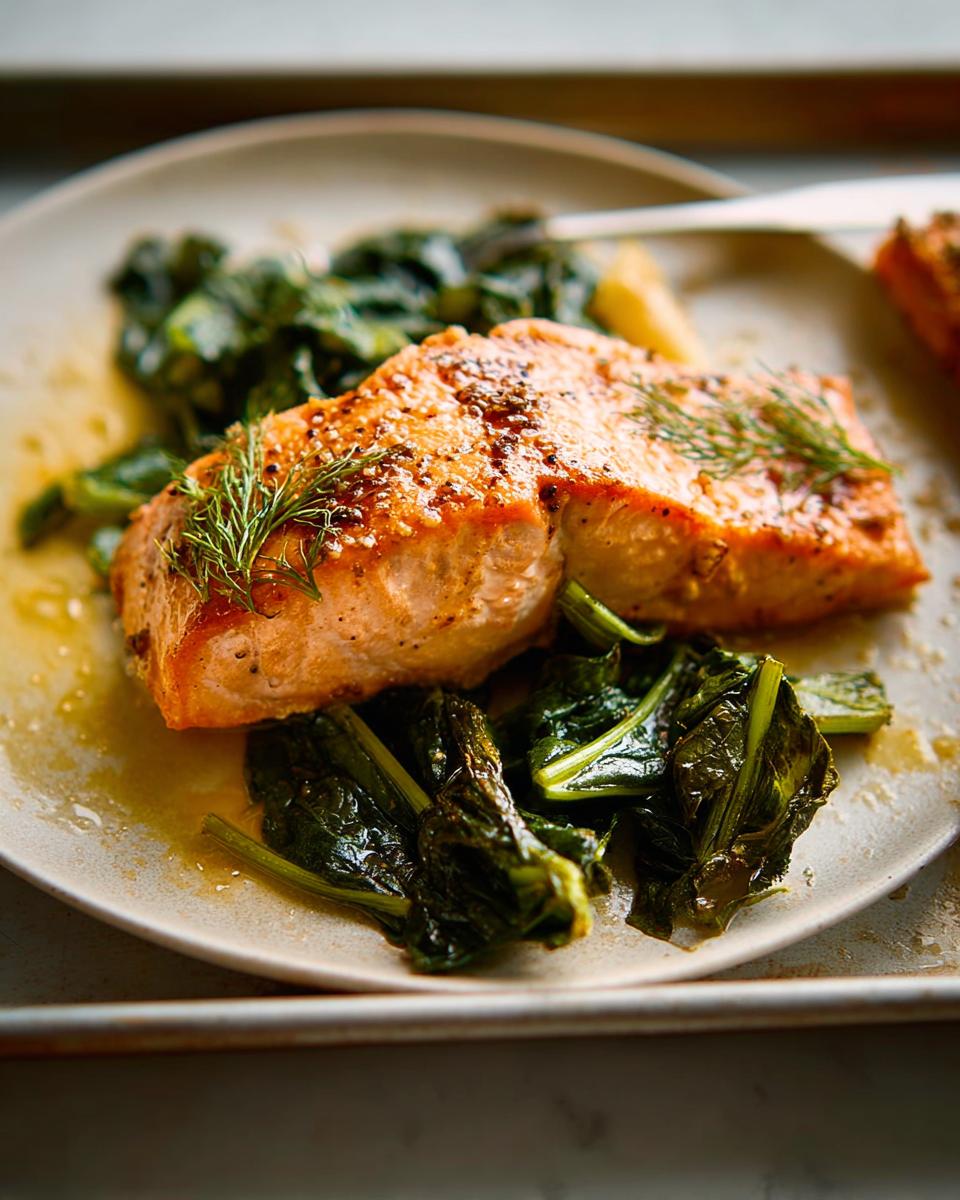
The key is to keep the side dish neutral so the vibrant flavors of the glaze really get to shine through. You’ve done the hard work on the protein; now just give it a simple stage to perform on!
Storing and Reheating the Maple Dijon Salmon Sheet Pan
This Maple Dijon Salmon Sheet Pan is practically built for Meal Prep, which is fantastic because who has time to cook every single night? The good news is, the flavor of the glaze actually gets deeper overnight—it’s like a little flavor upgrade while it chills!
However, salmon is a delicate fish, so how you store it and how you reheat it matters a great deal if you don’t want dry, sad leftovers. Here are my tried-and-true methods for keeping your leftovers tasting nearly as good as fresh!
Refrigerator Storage Tips
When putting leftovers away, you want to keep the salmon and the greens separate if possible, but if you’re going for pure convenience, here’s the easy route. Store the entire thing using an airtight container. If you need it to last, make sure you keep it chilled immediately; don’t leave those leftovers sitting on the counter for more than two hours.
I find that if you store them together on the sheet pan, it’s best if you line the pan with fresh parchment paper first, then layer the salmon and greens inside an airtight container. This setup should keep everything tasting great for about 3 to 4 days. Don’t push it past four days, though; fish deserves respect!
Reheating Without Drying Out the Salmon
This is the crucial step! Throwing that beautiful, glazed salmon straight into a hot oven for reheating is a recipe for disaster—it will end up tough and chewy. We need gentle, moist heat to wake up those flavors without cooking the fish again.
My absolute favorite method is using the microwave, but with a crucial hack. Place your portion of the salmon and greens right on a microwave-safe plate. Cover the plate tightly with a damp paper towel. Seriously, make sure that paper towel is damp, not soaking wet. This traps the steam and gently warms the fish through, keeping it tender! Microwave in short bursts—maybe 30 to 45 seconds at a time—until it’s just heated through. You want it warm enough to eat, not piping hot.
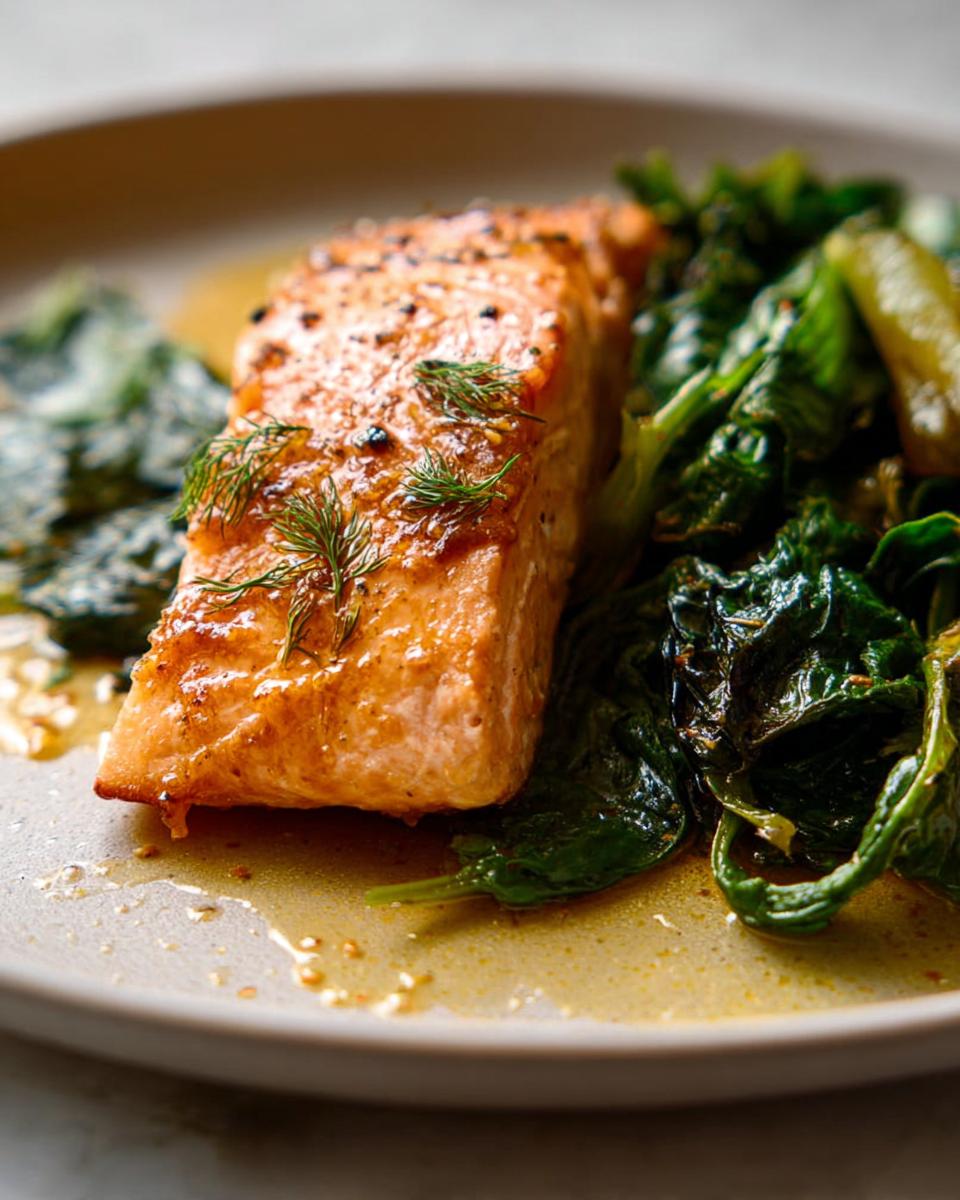
If you absolutely must use the oven (maybe you’re reheating a bigger batch), wrap the salmon tightly in aluminum foil first. Add a tiny splash of water or broth right inside the foil packet before sealing it up. Heat at a low temperature, maybe 300 degrees F, for about 10 minutes. The foil creates a perfect little steam tent to prevent drying. This keeps the integrity of the Maple Dijon Salmon intact beautifully, even when prepping for a whole week!
Frequently Asked Questions About Maple Dijon Salmon
I know sometimes you have to improvise based on what’s in the fridge, or maybe you just want to tweak the flavor profile a little bit. That’s perfectly fine! Cooking should be fun, not rigid. Since this is such a straightforward Sheet Pan Dinner, it’s really adaptable. Here are a few things folks usually ask me when they’re making their first perfect batch of Maple Dijon Salmon! If you love this style of cooking, you should check out my general collection of recipes for more inspiration!
Can I substitute the greens in this Sheet Pan Dinner?
Oh, absolutely! The primary goal for the greens here is to wilt nicely while the salmon cooks—and also to prevent direct pan contact. If you don’t have spinach or Swiss chard on hand, you can totally swap them out for other quick-cooking vegetables. Broccoli florets or asparagus spears are fantastic substitutes for Roasted Veggies here.
Just remember this one rule: thicker vegetables need a head start! If you use broccoli or asparagus, you might want to toss them with a tiny bit of oil and salt and give them a 5-minute head start in the oven before you add the salmon and the glaze. If you don’t pre-cook them, the salmon will be totally done before those thicker pieces are even tender. We want everything ready at the same time for the best Weeknight experience!
How do I adjust the Maple Dijon Salmon Sheet Pan for more heat?
If you’re like me and you like a little kick, the sweetness of the maple can handle some spice! The easiest way to amp up the heat without complicating the glaze too much is to add red pepper flakes directly into your glaze mixture. I usually throw in about 1/4 to 1/2 teaspoon, depending on how fiery I’m feeling that day.
Another great option, especially if you want a deeper flavor heat, is a small dash of your favorite hot sauce—Sriracha works great, but even a smoky chipotle sauce blends wonderfully with the Dijon. What I often do is reserve about a tablespoon of the glaze mix before I put it on the fish, then I whisk in the hot sauce to that reserved bit. I use that spicier version to brush over the salmon right in the last two minutes of baking. This way, you get that gorgeous roasted maple flavor first, followed by a nice little punch!
Can I use fish other than salmon?
Yes, you can definitely use firmer fish fillets like cod or halibut in this recipe! Since cod and halibut are often a bit thinner sometimes, check them around the 10-minute mark to make sure they don’t overcook. They are more likely to flake apart than salmon, so test gently with a fork. Tilapia or sole might be too delicate for this quick, high-heat roast, generally speaking.
Do I really need to use lemon slices under the salmon?
Honestly, you don’t *have* to, but trust me on this one—it’s a classic technique for a reason! Those lemon slices lift the salmon just slightly above the pan surface, which helps the heat circulate better, and adds subtle moisture. Plus, they infuse a beautiful hint of bright citrus flavor into the fish as it roasts, which cuts through the richness of the maple Dijon glaze beautifully. If you don’t have fresh lemons, a little sprinkle of dried lemon zest over the fish before glazing works as a passable substitute for that bright flavor, but you won’t get the lift!
Share Your Maple Dijon Salmon Sheet Pan Experience
Well, that’s everything I know about turning a dreary Tuesday night into a flavorful, effortless victory with this Maple Dijon Salmon Sheet Pan! I truly hope this recipe brings that same little spark of domestic joy into your kitchen that it brings into mine every time. Remember those moments of cooking not feeling like a chore, but like an absolute win?
Now I’m dying to know how it turned out for you! Did you add extra spice? What greens did you pair with your Sheet Pan Dinner? Don’t keep all that deliciousness to yourself!
I really want to see your creations! If you’ve snapped a photo of your gorgeous Roasted Veggies and perfectly glazed salmon, please tag me on social media. It genuinely makes my day to see your versions coming to life.
And if you followed along and found this recipe to be a lifesaver on a busy evening—maybe even earning a spot in your weekly rotation—please let me know in the comments below and give it a rating! Your feedback on this Easy Cleanup wonder helps other busy cooks find their new favorite go-to Weeknight meal. If you have any questions, or just want to chat more about using seasonal ingredients, feel free to reach out via my contact page!
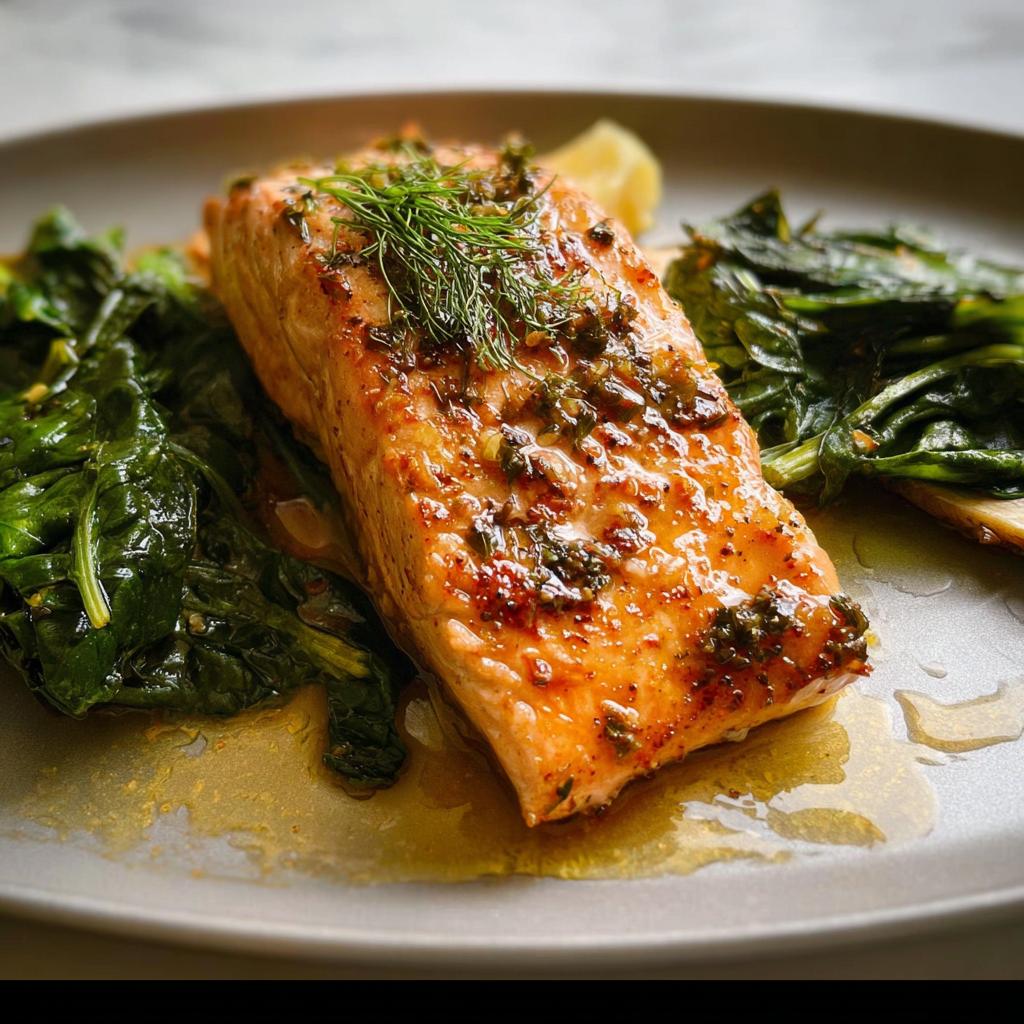
Maple Dijon Salmon Sheet Pan
Ingredients
Equipment
Method
- Preheat your oven to 400 degrees F (200 degrees C) with a rack in the center.
- In a small bowl, combine the Dijon mustard, maple syrup, chopped dill, 1 tablespoon of olive oil, and 1 teaspoon of black pepper. Grate the garlic cloves and the zest of the lemon into the bowl. Stir everything together. Thinly slice the lemon into 8 rounds, remove any seeds, and arrange them in pairs on a sheet pan.
- Pat the salmon fillets dry with paper towels and season them lightly with salt. Place the salmon fillets on the sheet pan, with each fillet resting on two lemon rounds. Spread the mustard mixture evenly over the top and sides of each salmon fillet. Pour the white wine (or your chosen liquid) into the sheet pan.
- Arrange the spinach or Swiss chard around the salmon on the sheet pan. Drizzle the greens with the remaining 1 tablespoon of olive oil and season them lightly with salt. Bake for 12 to 15 minutes, or until the greens have wilted and the salmon flakes easily when tested with a fork. Garnish with fresh dill sprigs and serve.
Notes
Tried this recipe?
Let us know how it was!
Urban Forager & Hyperlocal Ingredient Specialist
My Brooklyn apartment balcony tells my story: vertical gardens packed with wild edibles, fermentation crocks bubbling with city-foraged greens, and the constant hum of dehydrators preserving herbs I’ve collected from unexpected urban corners. What started as weekend escapes to my aunt’s upstate farm during my Columbia botany studies turned into something bigger after I earned my Urban Ecology Master’s from The New School.
Instead of following traditional academic paths, I discovered that cities are actually amazing edible ecosystems—rooftop weeds, park-edge wild greens, vacant lot treasures that perfectly complement keto eating. Who knew that some of the best low-carb foods were growing right under our noses in Manhattan?
My recipe collections celebrate city seasons: spring dandelions and plantains, summer purslane from rooftops, autumn rose hips from community gardens, winter wild onions and cress. I’m certified through the New York Mycological Society and trained by Brooklyn Botanic Garden to forage safely and ethically. Over 180 of my recipes feature at least one urban-foraged ingredient—from sidewalk plantains to sumac berries and wild mint thriving in vacant lots.
My “Metropolitan Wild” column went viral after my dandelion coffee substitute hit social media. Now my weekend “Urban Wild Walks” through Central Park and Prospect Park sell out faster than I can schedule them. I teach city dwellers to spot safe, keto-friendly wild foods hiding in plain sight.
Currently, I’m partnering with local chefs to bring urban foraged elements to restaurant menus and developing an app that maps safe foraging spots across all five boroughs. Evenings find me tending my sourdough starters, pressing flowers for natural dyes, or weaving baskets from willow branches I collect during park maintenance.
Cities are wild food sanctuaries hiding in plain sight—keto eating becomes urban rebellion when you realize how much free, perfect nutrition grows right under our feet.