
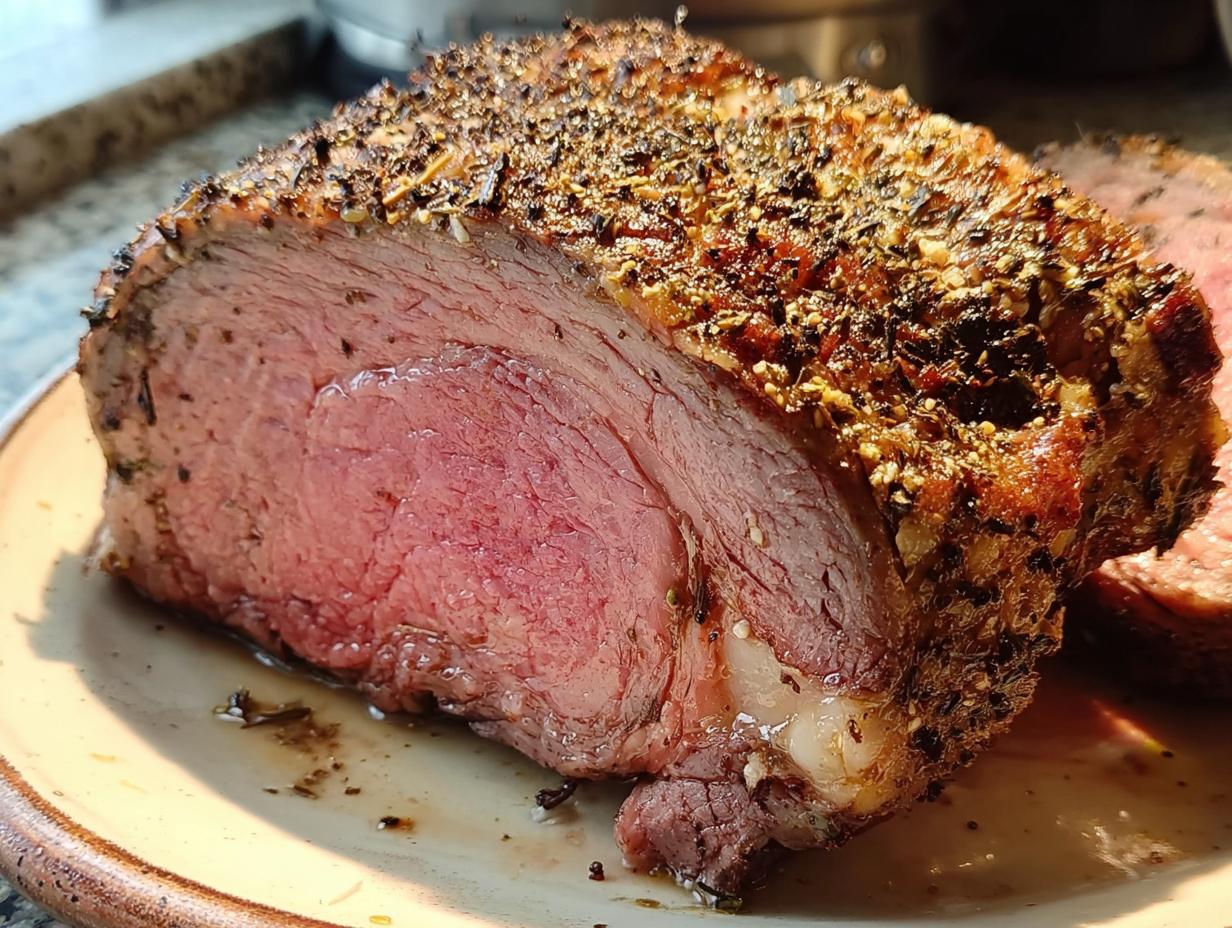
You know those meals that look like they take twelve hours of kitchen dedication but taste like pure magic? That’s what I thought Prime Rib was—something reserved only for huge holidays when I had nothing else to do. I was so intimidated to serve it for smaller holiday dinners, worried about waste or overcooking that expensive cut. But folks, I figured out a secret that changes everything! This method ensures we get that restaurant-quality tenderness and incredible flavor payoff, even when cooking for just four to six people.
I still remember the first time I decided to host a small holiday dinner and wanted to impress my friends with a prime rib roast. I was intimidated by the size and complexity of cooking such a dish, but I researched and discovered techniques that not only saved time but also ensured big flavors. That evening, as I sliced the perfectly cooked roast, the joyful reactions from my guests made all the effort worthwhile. It became a cherished tradition in my home, proving that with the right approach, even a prime rib roast can be a simple and fulfilling centerpiece for any gathering.
Thanks to the precision science Thomás Anderson brings to the table, we’re focusing on a specific technique (a quick blast of heat followed by a very long rest) that makes the Small Prime Rib Roast (Serves 4–6) — Big Flavor, Fast possible. Get ready to serve up an impressive roast without spending all day nursing the oven!
Why This Small Prime Rib Roast (Serves 4–6) — Big Flavor, Fast Works
This method isn’t just about fitting a great roast into a busy schedule; it’s about mastering the cooking science! You get all the glory of a perfectly cooked centerpiece for your small gathering without the typical all-day commitment. We keep the active work to a minimum, which makes the Small Prime Rib Roast (Serves 4–6) — Big Flavor, Fast a weeknight win, let alone a holiday star. It’s simple, powerful cooking! If you love these kinds of efficient recipes, you should definitely check out some of my other work on lightened-up dinner ideas.
-
Efficiency: Minimal Active Cooking Time
Seriously, you only have 20 minutes where the oven is running hot! We use a quick, intense sear to build that crust we all love, and then we let the retained heat—the residual heat trapped inside our oven—do the heavy lifting while you manage everything else. No more babysitting the roast for hours on end!
-
Flavor: Achieving Maximum Taste
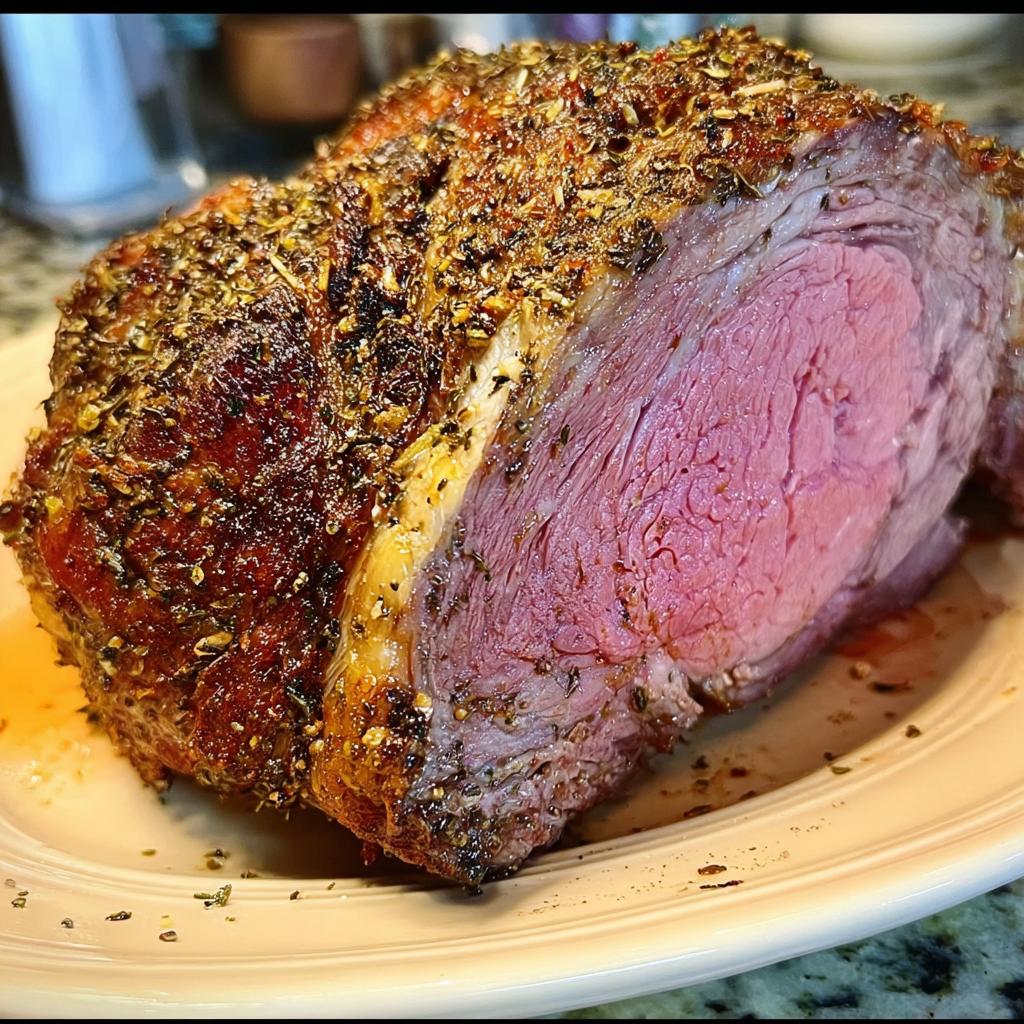
Don’t let the speed fool you; the flavor is massive. That softened butter mixed with fresh pepper and herbs clings beautifully to the meat, creating a savory blanket. This technique locks in all those delicious beef juices, making sure you get that rich, melt-in-your-mouth taste you expect from premium prime rib.
Gathering Ingredients for Your Small Prime Rib Roast (Serves 4–6) — Big Flavor, Fast
Okay, now for the fun part: grabbing the goods! For this Small Prime Rib Roast (Serves 4–6) — Big Flavor, Fast recipe, quality is everything because we aren’t hiding anything behind a ton of complicated steps. Since this roast is for a small group, sourcing a good 4-pound cut makes all the difference in timing, so pay attention to the size!
We don’t need a mile-long shopping list, just the right players on the field. If you’re looking for other great finds, peek at my general recipe ingredient lists for inspiration later on.
The Essential Roast and Seasoning Components
Here’s what you need to gather up for this stellar performance:
- 1 (approx. 4 pound) bone-in prime rib roast, brought to room temperature for 2-4 hours (this step is non-negotiable!)
- 1/4 cup unsalted butter, softened just right—you want it spreadable, not melted.
- 1 tablespoon freshly ground black pepper. Freshly ground makes that pepper punch so much better!
- 1 teaspoon herbes de Provence. This gives it that lovely, earthy French finish.
- Kosher salt, to taste. Yes, be generous here; it develops that beautiful crust.
Step-by-Step: How to Prepare Your Small Prime Rib Roast (Serves 4–6) — Big Flavor, Fast
Alright, let’s get down to the real magic here. This technique is what makes the Small Prime Rib Roast (Serves 4–6) — Big Flavor, Fast possible, and honestly, it feels like cheating because the results are so incredible compared to the effort. Stick close to these timing instructions, and you’ll have a perfect roast every time. If you’re looking for other easy hosting ideas, check out my favorite simple balanced suppers!
Preparation: Tempering and Rub Application
First things first: You absolutely must let that gorgeous hunk of beef breathe. Take it out of the fridge and let it sit on the counter for a good 2 to 4 hours. This tempering is crucial; if the meat is ice-cold in the middle, the outside will burn before the inside wakes up!
While it’s warming up, grab that small bowl and mash that softened butter together with your black pepper and the herbes de Provence. You want a nice, thick paste. Now, slather that herb butter all over the entire roast—don’t be shy! Once the butter is applied, hit it hard with the kosher salt. Seriously, use more salt than you think you need on the outside. That’s what builds the crust!
The Cooking Sequence: High Heat and Trapped Heat
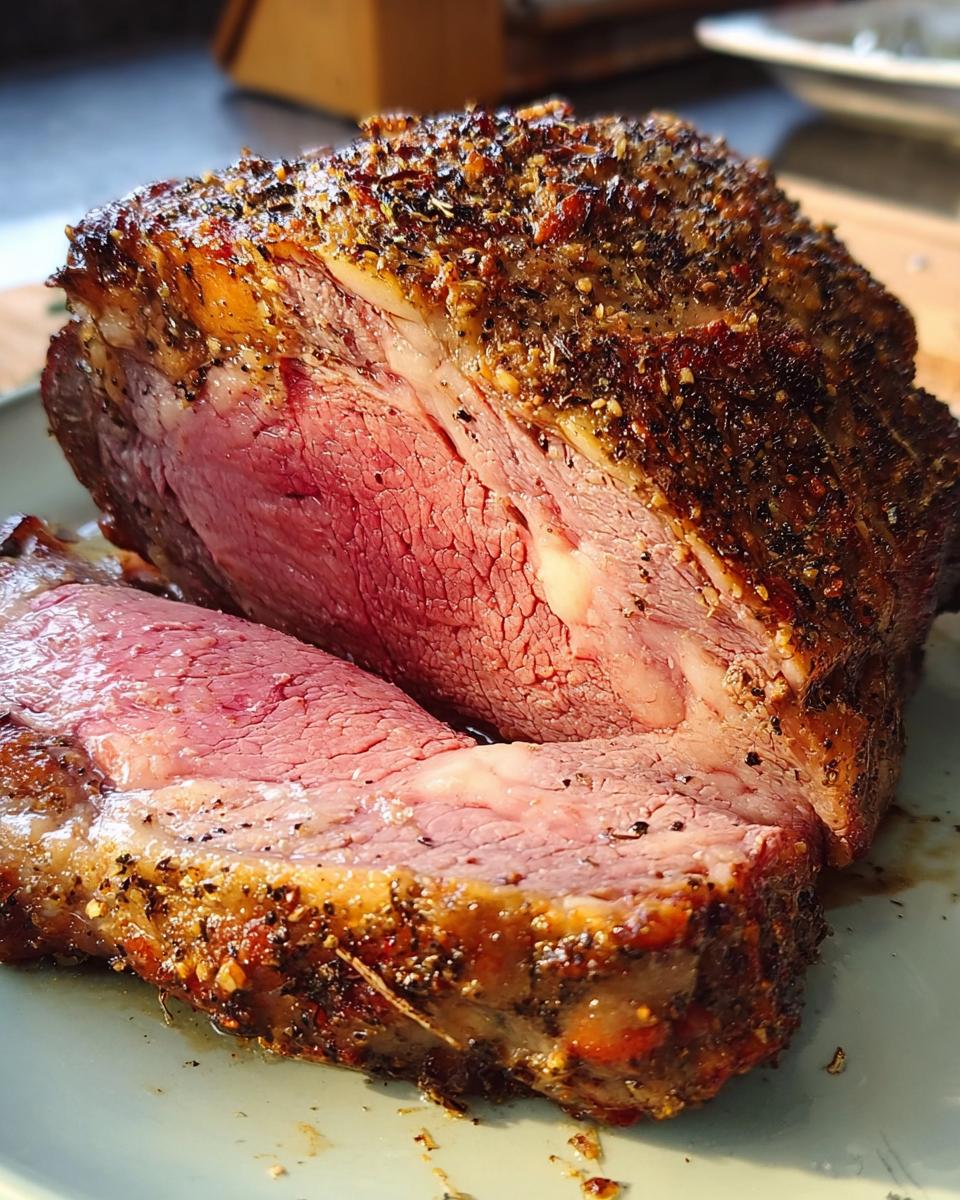
Time to preheat that oven! Crank it way up to 500 degrees F (that’s 260 degrees C). Once it’s roaring hot, slide that seasoned roast right in. We sear it hot and fast for exactly 20 minutes. That’s it for the active heat!
Now, here’s the secret that saves your day: After those 20 minutes are up, turn the oven OFF. Yes, you read that right. Do not open the door! Leave that roast in the cooling oven for a full 2 hours. The trapped residual heat cooks it through gently and evenly without drying out a single fiber. Trust me when I say this resting period is the chef’s kiss for tenderness.
Finalizing Your Small Prime Rib Roast (Serves 4–6) — Big Flavor, Fast
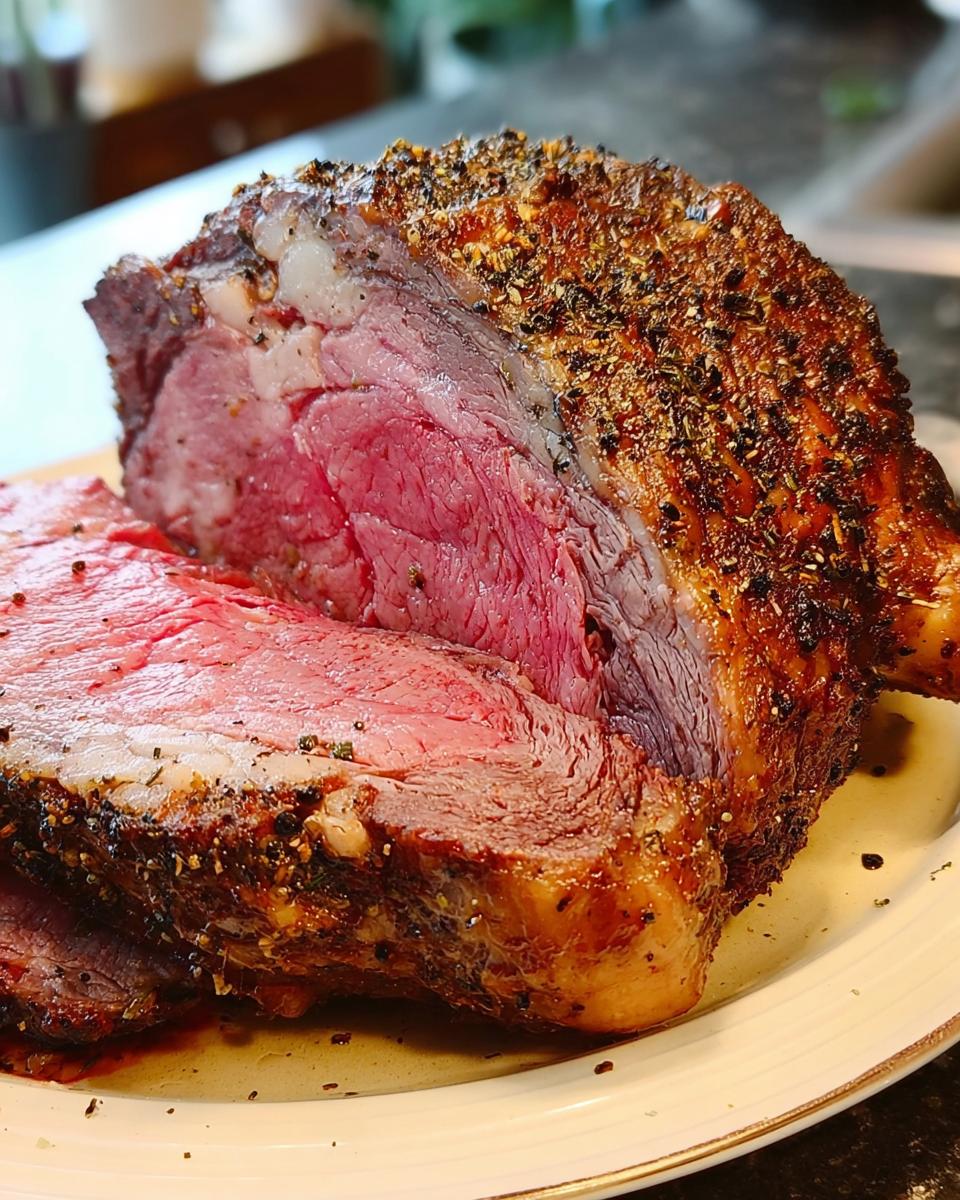
When those two hours are up, carefully take your roast out. The temptation will be to slice it right away, but resist! Let it rest for about 10 minutes outside the oven before you take a knife to it—this lets those juices redistribute. When it’s time to slice, go against the grain for the best texture. Check out Chef John’s approach for handling the meat if you need extra guidance on tricky cuts, though this time/temp method is tried and true: Chef John’s Perfect Prime Rib.
Crafting Prime Rib Au Jus from Drippings
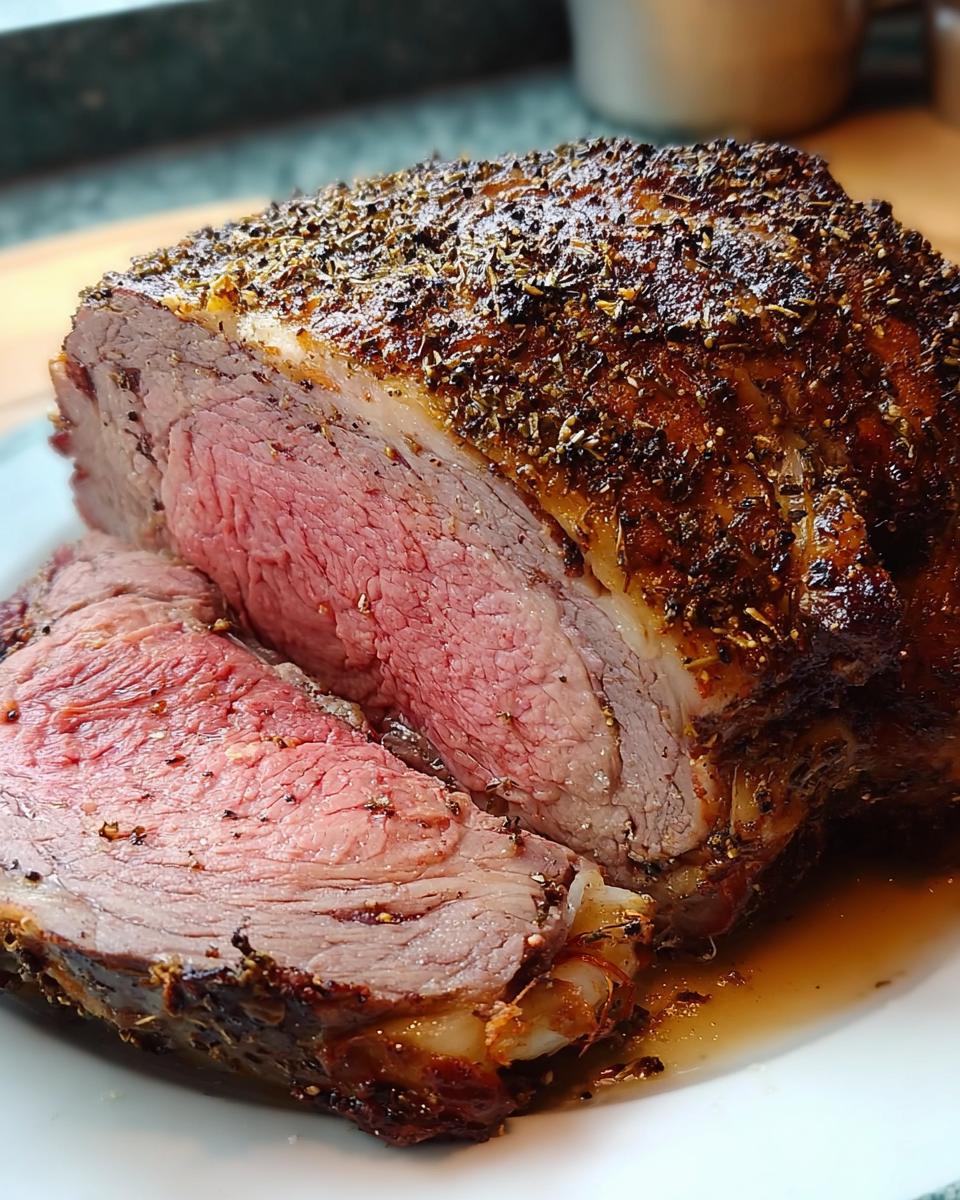
Okay, you’ve nailed the roast, but what’s prime rib without that beautiful, savory sauce to spoon over it? Since we saved so much time during the cooking process, we can absolutely afford two minutes to make a phenomenal Prime Rib Au Jus. You don’t want to let those flavorful Prime Rib Drippings go to waste! This is where the real flavor backbone of the meal comes from, and building a quick, rich sauce really shows off your cooking skill.
We can whip up an amazing sauce using what’s left right in that roasting pan. If you want to see more quick flavor boosters, take a look through my general recipe collection for other fast ideas.
Using Prime Rib Drippings for Roast Beef Au Jus
Once you pull the roast out, you’ll have some beautiful brown bits stuck to the bottom of the pan—that’s pure liquid gold for your Roast Beef Au Jus! Don’t even bother cleaning the pan yet!
Place the roasting pan (carefully, it will be hot!) right onto your stovetop burner over medium heat. Pour in about a cup of beef broth, or if you’re feeling fancy, a splash of dry red wine for an instant Red Wine Au Jus. Grab a wooden spoon and scrape up all those browned bits—we call that deglazing, and it’s the fastest way to build deep flavor. Let it bubble away for just a minute or two until it thickens slightly. You can strain it through a fine-mesh sieve if you want it super clear, but I often skip that step! That rich jus is ready to go straight to the table.
Tips for Success with Your Small Prime Rib Roast (Serves 4–6) — Big Flavor, Fast
Even though this high-heat, long-rest method for the Small Prime Rib Roast (Serves 4–6) — Big Flavor, Fast is super forgiving, there are always a couple of things that take it from great to absolutely unforgettable. Building trust with you means sharing the little details I learned hosting parties and trying to recreate that perfect restaurant texture at home. If you want more confidence in your cooking overall, check out my tips on general cooking confidence techniques!
Temperature Management is Key
I know I keep preaching about the time method, but if you’ve got one of those instant-read thermometers, go ahead and use it! If you check the temperature after that 2-hour rest, you’re looking for about 130°F for a beautiful medium-rare. The most important temperature tip, though, is letting that roast temper! Seriously, 2 to 4 hours on the counter is what ensures even cooking, regardless of the oven strategy you use.
Slicing Against the Grain
This is crucial for tenderness, especially with a cut like this. Take a minute before you slice your Small Prime Rib Roast (Serves 4–6) — Big Flavor, Fast to look closely at the meat; you’ll see the muscle fibers running in one direction. You want to position your knife perpendicularly across those lines—that’s slicing against the grain. It shortens those tough muscle fibers, making every single piece incredibly easy to chew and tender!
Storage and Reheating Instructions
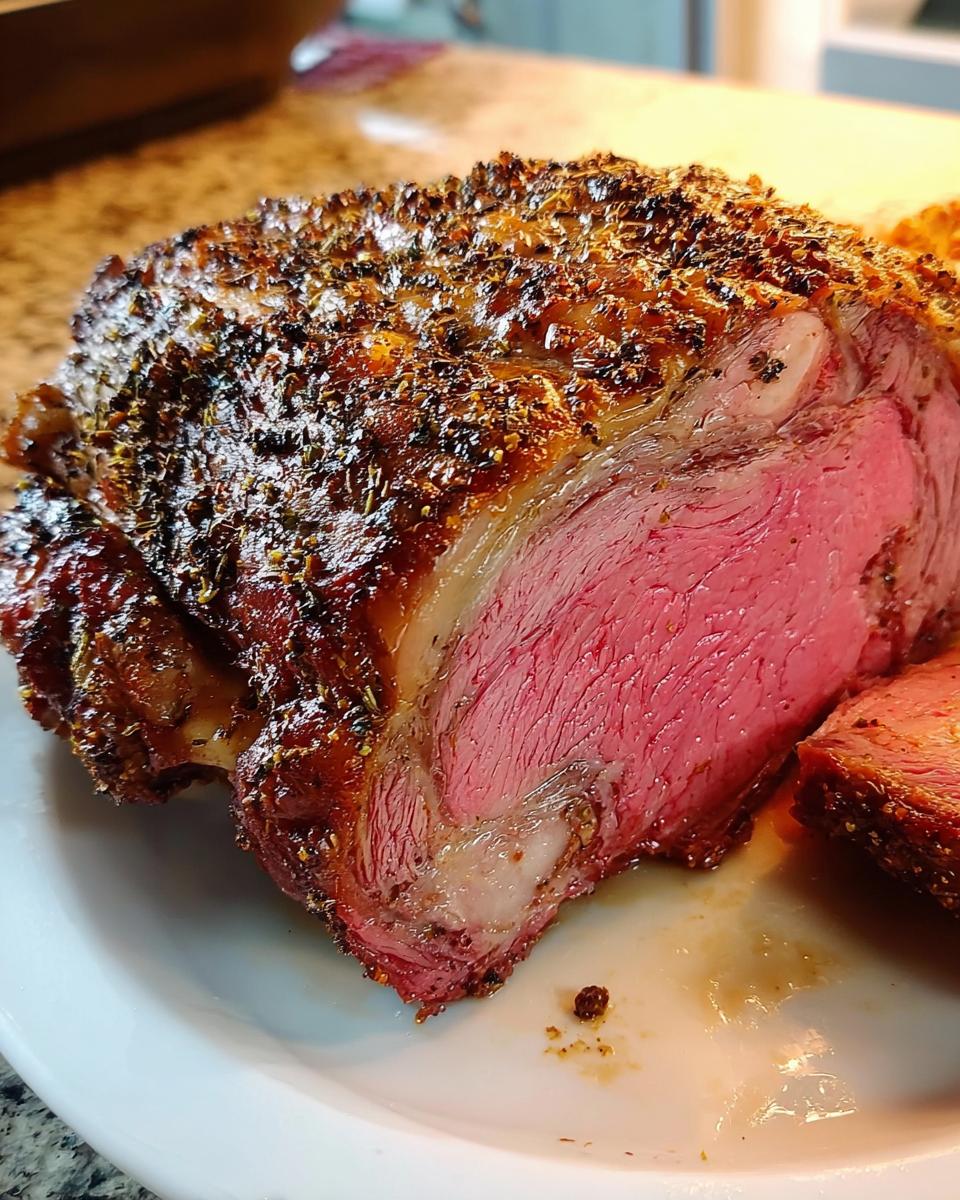
The best part about cooking a showstopper roast like this is having delicious leftovers for quick meals the next day! But you have to treat those precious leftovers right, or that beautiful tenderness we worked so hard to achieve can turn dry fast. We want that same amazing melt-in-your-mouth texture the second time around, if possible!
Storing Leftover Roast Beef
Once the roast has cooled completely after slicing, you need to get it into an airtight container right away. Don’t just leave it wrapped loosely in foil! Pop those slices into a sturdy container, or double-bag them in heavy-duty zip-top bags, squeezing out as much air as you can. Stored correctly in the fridge, your leftover roast beef should keep beautifully for about three to four days. If you wait longer than that, you risk losing that prime quality, and we certainly don’t want that!
Reheating for Best Texture
Here’s the secret to reheating: never microwave thick slices dry! They are going to turn into beef jerky, trust me on this one. The key is moisture. The best way to reheat is to slice the remaining roast very thinly—the thinner the better.
Next, you need a little liquid to steam them back to life. Grab a skillet and just barely cover the bottom with a little bit of your leftover Prime Rib Au Jus, or even just some low-sodium beef broth. Heat that liquid gently until it’s just simmering—not boiling! Toss your thin slices in there for maybe 30 seconds per side, just until they are warmed through. It keeps the meat incredibly juicy and tender, making your second meal almost as good as the first!
Frequently Asked Questions About This Small Prime Rib Roast (Serves 4–6) — Big Flavor, Fast
I totally get it. When you’re attempting such an elegant cut of meat like this Small Prime Rib Roast (Serves 4–6) — Big Flavor, Fast, you are bound to have a few nagging questions pop up! Don’t worry about it; that means you care about getting it perfect, which I absolutely respect! We want this to be the easiest, most impressive meal you’ve ever cooked.
If you are trying to keep things budget-friendly while still serving up luxury, I have some tips on saving money while eating well over on my guide for making cheap keto meals that might inspire you.
Can I make this recipe without the bone?
You sure can! If you find a beautiful boneless cut that fits the 4 to 6 serving size, go for it. Just know that the bone actually acts like an insulator, helping the meat cook more evenly from edge to edge. Because of that, you might need to watch your searing time closely, or maybe reduce that 20-minute blast slightly for a boneless roast. Bone-in roasts are just a hair more reliable with this hands-off method, but totally adaptable!
What internal temperature should the roast reach?
This recipe is designed around the time—that 20 minutes hot, followed by 2 hours off—to hit that amazing medium-rare center without having to constantly probe it. However, if you are nervous, pull it out after the 2-hour rest and check the center. For that perfect medium-rare finish, you’re looking for the meat to settle around 130°F after resting.
Can I use different herbs instead of Herbes de Provence?
Absolutely! That’s the beauty of a simple butter rub—it welcomes experimentation. If you don’t have Herbes de Provence on hand, my go-to classic substitution is a mix of fresh rosemary and thyme. Chop them finely, mix them into that softened butter, and you get that wonderful, traditional roast beef flavor profile that pairs perfectly with the natural beefiness.
Nutritional Estimate for This Small Prime Rib Roast (Serves 4–6) — Big Flavor, Fast
I know some of you are tracking macros or just curious about what exactly you are eating when you serve up such a decadent cut of beef. While this Small Prime Rib Roast (Serves 4–6) — Big Flavor, Fast is definitely on the richer side—hello, beautiful butter rub and prime cut!—it still packs a huge punch of protein. Remember, this is a general estimate based on the ingredients we used for the recipe above, and your final numbers will absolutely shift around based on the exact size of your roast and how much of that glorious au jus you slather on top.
We calculated these numbers assuming the yield is 6 servings. Keep in mind that highly fatty cuts like prime rib naturally push the fat content up, but those numbers reflect the sheer quality of the meat and the fat content inherent in that cut. Here’s the quick breakdown:
-
Calories: Roughly 1757 per serving
-
Protein: About 73g per serving—that’s serious fuel!
-
Fat: Approximately 161g per serving (A high amount, naturally, but this is prime rib!)
-
Carbohydrates: Less than 1g per serving. Wow!
-
Cholesterol: Watch out for about 362mg.
Since this is a very high-impact dish, I always pair it with tons of low-carb, fresh veggies on the side—think creamed spinach or roasted asparagus—to balance things out when making the Small Prime Rib Roast (Serves 4–6) — Big Flavor, Fast. It’s all about balance in delicious meals, right?
Share Your Small Prime Rib Roast (Serves 4–6) — Big Flavor, Fast Experience
That’s it! You’ve done it! You’ve managed the impressive feat of creating a show-stopping, deeply flavorful prime rib roast in record time. I am so excited for you and anyone you’re sharing this incredible Small Prime Rib Roast (Serves 4–6) — Big Flavor, Fast with tonight!
Now, please don’t keep the secret sauce to yourself! I genuinely want to hear all about how this time-saving technique worked for you. Did the 20 minutes on, 2 hours off method deliver the perfect medium-rare finish you were hoping for? Did your guests rave about the herbs?
Drop a comment below and tell me how it turned out. If you managed to snag a photo of that beautiful crust or that perfect pink slice, I would absolutely love to see it! You can always share your culinary triumphs with me directly through the contact page. Happy cooking, and enjoy every single bite of that incredibly fast, flavorful prime rib!
Small Prime Rib Roast (Serves 4–6) — Big Flavor, Fast
Ingredients
Equipment
Method
- Place the prime rib roast on a plate and let it reach room temperature for 2 to 4 hours. For best results, aim for 6 hours if time allows.
- Preheat your oven to 500 degrees F (260 degrees C).
- In a small bowl, combine the softened butter, black pepper, and herbes de Provence. Mix until well combined. Spread this mixture evenly over the entire roast. Season generously with kosher salt.
- Roast the 4-pound prime rib in the preheated oven for 20 minutes. If your roast has a different weight, multiply its exact weight by 5 minutes to determine the roasting time.
- Turn off the oven. Do not open the oven door. Leave the roast inside the oven for 2 hours. The trapped heat will finish cooking the meat.
- Remove the roast from the oven. Slice and serve.
Nutrition
Notes
Tried this recipe?
Let us know how it was!
Precision Keto Scientist
Numbers don’t lie, and neither do my recipes. I’m a biochemist who fell into keto cooking through my own metabolic research—and I approach recipe development like a lab experiment, complete with macro calculations precise to the tenth of a gram.
My journey started in diabetes research labs at Johns Hopkins, where I spent six years studying how different macronutrient ratios affected insulin sensitivity. Personal experimentation with therapeutic ketosis for cognitive enhancement led me down a rabbit hole of recipe testing that eventually consumed more hours than my actual day job.
While other cookbook authors describe flavors and textures, I quantify ketone elevation curves and glycemic impact data. My recipe database contains 340+ formulations, each tagged with detailed nutritional analysis, predicted ketosis timing, and optimal meal spacing. I measure salt by weight, time cooking processes to the minute, and log ingredient sourcing obsessively for consistent results.
My breakthrough research on fat-protein ratios for sustained ketosis got published in the Journal of Nutritional Biochemistry. My “Macro Math Mastery” workshops have trained over 5,000 people in precision meal planning. I even collaborated with continuous glucose monitor manufacturers to create the first real-time feedback system for recipe optimization.
I left my pharmaceutical research position at Merck three years ago to focus on metabolic nutrition consulting. Now I work with professional athletes, biohackers, and medical professionals seeking therapeutic ketosis protocols. When I’m not in my lab-kitchen, I’m competing in chess tournaments or documenting my daily biomarker measurements with true data scientist obsessiveness.
Cooking is just applied chemistry—and chemistry follows predictable rules. Master the variables, control the outcomes.